
Introduction
Dust is a common part of everyday life. It settles on furniture, collects in room corners, gathers on windowsills, and accumulates on electronic devices, shelves, and decorative items. Even when a room looks clean, a thin layer of dust can appear again within a short time. This makes regular cleaning an important part of maintaining a neat, comfortable, and welcoming living environment.
Dust Clean is a useful concept for anyone who wants to understand how to manage household dust effectively and maintain cleaner surroundings. From simple daily habits to choosing the right cleaning tools, a proper approach can make household cleaning easier, more efficient, and less time-consuming.
Dust can enter a home through open windows, doors, footwear, clothing, and everyday activities. Indoor sources may also include fabric fibres, pet hair, and particles released from commonly used household materials. Although eliminating every particle of dust is unrealistic, consistent cleaning practices can help reduce visible accumulation and prevent dust from spreading unnecessarily.
A well-planned cleaning routine focuses on more than the surfaces that are immediately visible. It also considers overlooked areas such as ceiling fans, curtains, upholstery, air vents, and the spaces beneath furniture. When these areas receive regular attention, maintaining a fresh and organised home becomes much more manageable.
In this guide, we will explore the meaning of Dust Clean, common sources of household dust, effective cleaning techniques, practical maintenance tips, and ways to develop a reliable cleaning routine for different areas of your home.

What Is Dust Clean?
Dust Clean refers to the process of removing accumulated dust from indoor surfaces and maintaining an environment that looks clean, feels comfortable, and is easier to manage. It involves identifying dusty areas, selecting suitable cleaning materials, and following a consistent method to prevent particles from simply moving from one surface to another.
Many people associate cleaning with sweeping floors or wiping tables. However, effective dust removal requires a more organised approach. Dust can settle on high surfaces, become trapped in fabric, and accumulate in areas that are rarely touched during everyday cleaning.
A complete dust-cleaning routine may include:
- Wiping furniture, shelves, and tables with a suitable microfiber cloth.
- Cleaning window frames, sills, and accessible corners.
- Removing dust from ceiling fans and light fixtures safely.
- Vacuuming carpets, rugs, mattresses, and upholstered furniture when appropriate.
- Cleaning floors after dusting higher surfaces.
- Washing frequently used fabrics according to their care instructions.
- Maintaining suitable ventilation and replacing or cleaning air filters as recommended.
The objective is not to make a home completely dust-free, which is generally impossible. Instead, the goal is to manage dust accumulation through practical methods that fit everyday household needs.
Why Is Regular Dust Cleaning Important?
Dust accumulation can affect the appearance of a room and make household maintenance more difficult. A clean surface can quickly look untidy when dust collects on dark furniture, glass tables, decorative objects, or electronic equipment.
Regular cleaning helps preserve the appearance of household furnishings and reduces the amount of loose dust that can be redistributed during everyday activities.
1. Maintains a Neat Appearance
Dust can make furniture, shelves, and decorative pieces appear neglected. Even a well-organised room may look untidy when surfaces are covered with visible particles.
Wiping surfaces regularly helps maintain a polished appearance and makes living spaces more inviting. This can be particularly useful before guests arrive or when preparing a room for work, relaxation, or family activities.
2. Supports Better Indoor Comfort
Household dust contains a mixture of particles, which may include fabric fibres, soil, pollen, and other material brought indoors. Some dust may also contain allergens, including particles associated with dust mites or pets.
For people who are sensitive to these substances, reducing indoor dust and addressing its sources may improve comfort. However, routine dusting alone cannot guarantee relief from allergies or respiratory symptoms.
People experiencing persistent symptoms should seek appropriate medical advice rather than relying solely on household cleaning products.
3. Helps Protect Household Items
Dust can accumulate on television screens, computer equipment, decorative objects, furniture finishes, and other commonly used belongings.
Using appropriate cleaning methods helps maintain their appearance and reduces the need for intensive cleaning later. Delicate electronic devices and sensitive surfaces require special care because unsuitable liquids, rough cloths, or excessive pressure can cause damage.
4. Makes Cleaning More Manageable
When dust is allowed to accumulate for long periods, removing it can require additional effort. It may become mixed with grease, moisture, or other debris, making some surfaces more difficult to clean.
A simple, consistent routine prevents cleaning tasks from becoming unnecessarily demanding.

Common Sources of Dust Inside the Home
Understanding where dust comes from makes it easier to choose effective cleaning methods.
Outdoor Particles
Dust, soil, pollen, and other airborne particles can enter through open doors and windows. Footwear may also carry small particles from outdoor surfaces into the home.
Placing doormats at entrances, removing footwear indoors when practical, and cleaning entryways regularly can help limit the amount of outdoor debris that spreads throughout living spaces.
Clothing and Fabric Fibres
Clothing, bedding, curtains, carpets, and upholstered furniture can release small fibres through ordinary use. These fibres may combine with other particles and settle on nearby surfaces.
Regular washing, vacuuming, and appropriate fabric care can help manage this source of household dust.
Pets
Pets can introduce loose hair, dander, and outdoor particles into indoor spaces. These materials may accumulate on furniture, rugs, bedding, and floors.
Regular grooming, washing pet bedding, and vacuuming areas where pets spend time can help control the buildup.
Cooking and Daily Activities
Cooking, moving furniture, handling textiles, and other household activities can contribute to airborne particles and surface deposits. Greasy kitchen residue may also cause dust to stick to cabinets and nearby surfaces.
Cleaning kitchen surfaces regularly and using an appropriate exhaust system can help reduce residue and improve general cleanliness.
Poorly Maintained Air Filters
Heating, ventilation, and air-conditioning systems can collect dust in their filters. When filters become clogged or are unsuitable for the system, airflow and filtration performance may be affected.
Follow the manufacturer’s instructions for inspecting, cleaning, or replacing filters. The correct schedule depends on the equipment, filter type, usage, and indoor conditions.
Best Methods for Effective Dust Clean
Choosing the right cleaning technique is just as important as cleaning regularly. The objective is to collect dust instead of spreading it into the surrounding air or onto nearby surfaces.
Use a Microfiber Cloth
Microfiber cloths are useful for removing dust from many household surfaces. Their fine fibres help capture particles rather than simply pushing them across a surface.
For everyday furniture cleaning, lightly dampen a suitable cloth when the surface permits moisture. Avoid soaking the cloth, especially around wooden furniture, electrical equipment, or materials that can be damaged by water.
Move the cloth gently across the surface and fold it periodically to expose a clean section. Wash reusable cloths after use according to their care instructions.
Start from the Top
Always begin with higher surfaces before cleaning lower areas. Dust from ceiling fans, shelves, and upper furniture can fall onto surfaces underneath them.
A practical order is:
- Accessible high shelves and ceiling fixtures.
- Cabinets, wardrobes, and furniture tops.
- Tables, desks, and decorative items.
- Window frames and sills.
- Upholstery and rugs.
- Floors.
For ceiling fans or high fixtures, turn off the equipment first and use an appropriate extension tool. Never climb on unstable furniture to reach difficult areas.
Vacuum Instead of Dry Sweeping When Appropriate
Vacuuming can be effective for removing dust from carpets, rugs, upholstery, and floors. A vacuum with suitable filtration may also help capture finer particles.
Choose the correct attachment for the surface and follow the equipment instructions. For hard floors, a vacuum suitable for that flooring can often remove loose dust before damp mopping.
Traditional dry sweeping may push fine dust into the air, particularly when performed quickly. If sweeping is necessary, use gentle movements and follow with a suitable damp-cleaning method when the surface permits.
Clean with the Right Amount of Moisture
A lightly damp cloth can help capture dust from many hard surfaces. However, excessive moisture may damage wood, untreated finishes, certain metals, or electronic components.
Always check the surface manufacturer’s care guidance. For delicate furniture, test the method in a small, inconspicuous area before cleaning the entire item.
Avoid Unnecessary Product Mixing
Different household cleaning products may contain ingredients that react dangerously when mixed. Never combine cleaning chemicals unless their labels explicitly confirm that doing so is safe.
Use products only as directed, maintain appropriate ventilation, and keep cleaning solutions away from children and pets.
Dust Clean for Different Areas of the Home
Each room contains different materials and attracts different kinds of dust. Adapting your cleaning routine to the room makes the process more efficient.
Living Room
The living room usually contains sofas, curtains, television units, shelves, cushions, and decorative objects. These items can collect fibres, pet hair, and airborne dust.
Begin by removing loose items from tables and shelves. Dust furniture with a microfiber cloth, clean accessible corners, and vacuum upholstered furniture according to its care instructions.
Pay attention to the space beneath sofas, behind cabinets, and around television stands. These locations may be overlooked during quick daily cleaning.
Clean television screens and other electronics using the manufacturer’s recommended method. Avoid spraying liquids directly onto screens or openings.
Bedroom
Bedrooms contain bedding, mattresses, curtains, wardrobes, and upholstered furniture. Because people spend many hours in these spaces, regular cleaning can be especially worthwhile.
Wash sheets and pillowcases according to their care instructions. Vacuum the mattress when appropriate, and clean the area beneath the bed periodically.
Dust bedside tables, wardrobe tops, lamps, and window sills. If curtains are washable, follow the fabric care label. Otherwise, use a suitable vacuum attachment or professional cleaning service when necessary.
Kitchen
Kitchen dust can mix with grease, food particles, and moisture. This mixture may stick to cabinets, appliances, shelves, and surfaces near the cooking area.
Wipe countertops and exterior cabinet surfaces with a suitable cleaner. Clean the tops of refrigerators and cabinets when accessible, and pay attention to ventilation equipment according to its instructions.
Food preparation surfaces should be cleaned using products appropriate for those surfaces. If a product requires rinsing before food contact, follow the label carefully.
Keep dry food in sealed containers and clean crumbs promptly to reduce additional household debris.
Bathroom
Bathrooms can collect dust on shelves, exhaust fan covers, cabinets, mirrors, and decorative items. Moisture may cause particles to stick to certain surfaces.
Dust accessible surfaces first, then clean them using suitable bathroom products. Keep electrical equipment and ventilation components dry unless their instructions specify otherwise.
Bathroom ventilation and regular moisture control are important for managing dampness. Dust removal alone does not address mould growth or persistent moisture problems.
Home Office
Desks, monitors, keyboards, computer towers, printers, and cable areas can collect dust.
Switch off and unplug equipment when recommended by the manufacturer before cleaning. Use a soft, dry or appropriately approved cloth for screens and exterior surfaces.
Do not pour or spray cleaning liquids into keyboards, ports, fans, or other openings. For internal computer cleaning, follow the manufacturer’s guidance or consult a qualified technician.

Choosing the Right Dust-Cleaning Products
The best cleaning product depends on the surface, the type of residue, and the manufacturer’s recommendations. A single product is not necessarily suitable for every material in the home.
Microfiber Cleaning Cloths
These are practical for furniture, shelves, and many smooth surfaces. Reusable cloths can reduce disposable waste when properly maintained.
Keep separate cloths for different tasks, such as kitchen surfaces, bathrooms, and general furniture, to reduce cross-contamination.
Vacuum Cleaners
Vacuum cleaners are useful for carpets, rugs, upholstered furniture, and suitable hard floors. Models with effective filtration can help capture smaller airborne particles generated during cleaning.
Select a model based on your flooring, cleaning frequency, storage space, and maintenance requirements. Empty or replace collection components according to the manufacturer’s instructions.
Surface-Specific Cleaners
Some surfaces require specialised products. Glass, polished wood, stainless steel, and electronic screens may each have different care requirements.
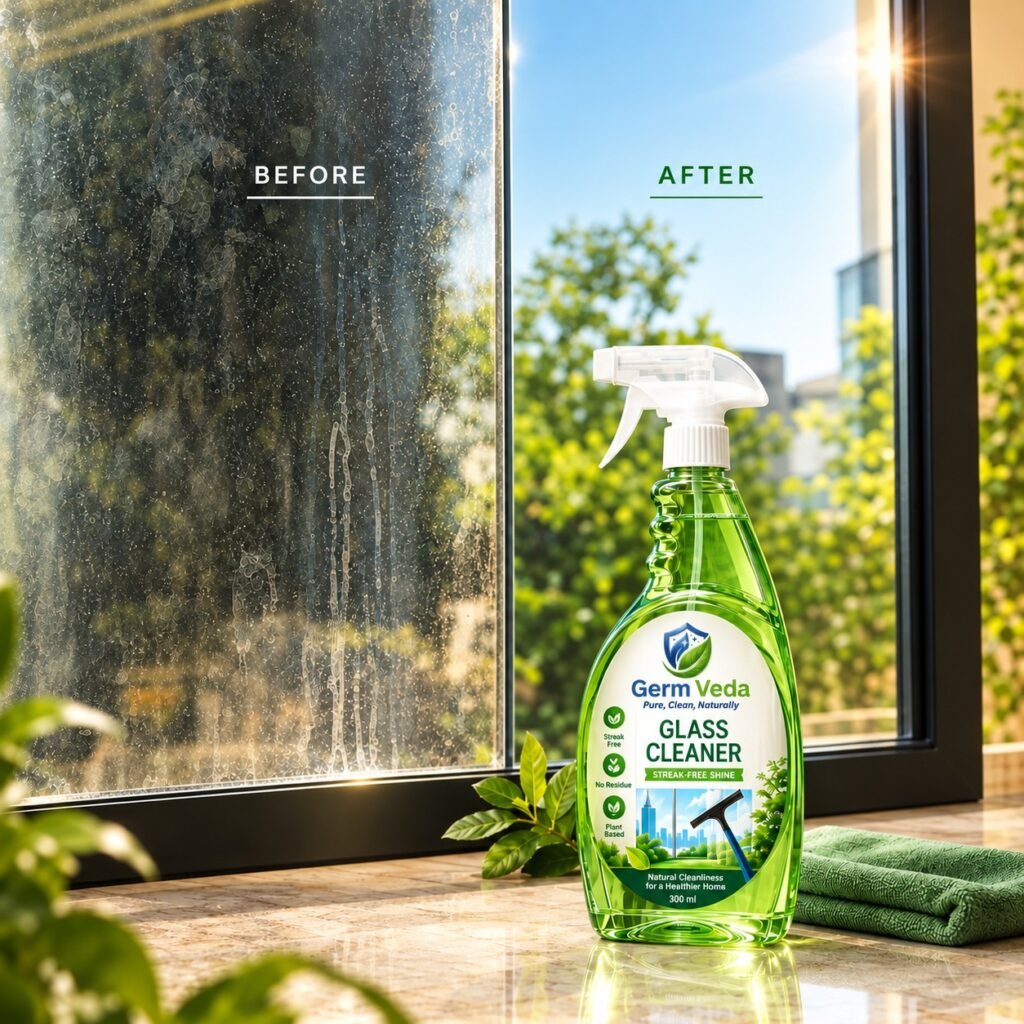
For example, a glass cleaner can help remove fingerprints and smudges from compatible glass surfaces, but it should not automatically be treated as suitable for wood, screens, or every coated material.
Read product labels and test cleaners in an inconspicuous location when necessary.
Mops and Floor-Cleaning Tools
After dusting furniture and vacuuming or sweeping, clean hard floors using a mop suitable for the flooring material.
Avoid excessive water on wooden floors or other moisture-sensitive surfaces. Wash reusable mop heads regularly so that collected dirt is not redistributed around the home.
Common Dust-Cleaning Mistakes to Avoid
Even a regular cleaning routine may be less effective when the wrong methods are used.
Using a Dry Cloth on Every Surface
A dry cloth can work well for certain delicate objects, but it may push fine particles around on some surfaces. A suitable microfiber cloth, lightly dampened where safe, may capture dust more effectively.
Cleaning Floors First
Dust from upper surfaces can settle on the floor after it has been cleaned. Always work from higher areas to lower areas and finish with the floors.
Ignoring Hidden Areas
The tops of wardrobes, ceiling fans, furniture legs, and spaces behind appliances can accumulate dust over time.
Include a few neglected areas in each weekly cleaning session rather than trying to clean every hidden location every day.
Using Too Much Cleaning Liquid
Excessive liquid can leave residue, damage sensitive finishes, or enter electrical components. Use only the amount recommended for the surface and product.
Forgetting to Clean the Cleaning Tools
Dirty cloths, vacuum filters, and mop heads may redistribute collected material. Wash or maintain them according to their instructions and allow reusable tools to dry properly.
Rushing Through the Process
Quick cleaning can miss corners, edges, and areas behind objects. A consistent method is often more useful than repeatedly wiping the same visible surfaces without addressing neglected areas.
How Often Should You Clean Dust?
The ideal cleaning frequency depends on household activity, outdoor conditions, pets, ventilation, and personal sensitivities.
A flexible schedule can help keep cleaning tasks manageable.
| Frequency | Suggested tasks |
|---|---|
| Daily or as needed | Wipe frequently used surfaces, clean visible spills and crumbs, and manage entryway dirt. |
| Two or three times a week | Dust frequently used furniture and vacuum areas that collect debris quickly. |
| Weekly | Dust shelves, clean bedroom furniture, vacuum rugs, and clean hard floors. |
| Every two to four weeks | Inspect ceiling fans, accessible high surfaces, and areas behind movable furniture. |
| Periodically | Clean curtains, upholstery, vents, and other items according to their condition and care instructions. |
These are general suggestions rather than strict rules. Homes near busy roads, construction sites, or dusty outdoor environments may require more frequent cleaning.
Simple Habits to Reduce Dust Accumulation
Preventing unnecessary dust from entering and spreading through a home can make regular cleaning easier.
Use Doormats at Entrances
Place suitable mats at entry points and clean them regularly. Removing footwear indoors can also reduce the amount of outdoor dirt carried onto floors.
Keep Windows and Doors in Mind
Opening windows can improve ventilation, but it may also introduce outdoor dust, pollen, or pollution depending on local conditions.
When outdoor air is dusty, consider keeping windows closed during those periods and using suitable filtration if available. Ventilation decisions should account for indoor air quality, outdoor conditions, and the need to manage moisture.
Store Items Properly
Open shelves containing many small decorative objects can require more frequent dusting. Storage boxes, closed cabinets, and organised drawers can protect belongings and reduce the number of exposed surfaces.
Maintain Fabrics
Wash bedding, cushion covers, and other washable fabrics as recommended. Vacuum rugs and upholstery regularly, particularly in rooms used frequently by pets or children.
Address the Source
If dust repeatedly collects in one location, investigate why. Possible causes include gaps around doors, dusty fabrics, construction activity, outdoor soil, or poorly maintained filters.
Managing the source can be more effective than repeatedly cleaning the same area without changing the underlying conditions.
Dust Clean Tips for Homes with Children and Pets
Homes with young children and pets often require additional attention because floors, furniture, toys, and fabrics receive frequent use.
Use cleaning products according to their labels and keep them stored securely out of reach. Allow surfaces to dry as directed before children or pets use them.
For children’s toys, follow the manufacturer’s cleaning instructions. Washable toys may be cleaned according to their labels, while electronic or delicate toys require a suitable alternative.
Pet bedding should be washed regularly, and grooming can help manage loose hair. Vacuuming commonly used pet areas may also reduce visible accumulation.
Avoid creating strong airborne dust clouds while cleaning. People who are particularly sensitive to dust may prefer to leave the room during activities such as vacuuming or cleaning heavily dusty areas.
Creating a Practical Weekly Dust-Cleaning Routine
A simple schedule helps distribute household tasks throughout the week without making cleaning feel overwhelming.
Monday: Living room care
Dust tables, shelves, television units, and accessible decorative items. Vacuum the main seating area.
Tuesday: Bedroom cleaning
Dust bedside tables and wardrobes, change bedding when needed, and clean beneath the bed if accessible.
Wednesday: Kitchen maintenance
Wipe cabinets, shelves, and appliance exteriors. Clean visible debris and check for greasy residue.
Thursday: Office and study area
Clean desk surfaces, approved electronic-device surfaces, shelves, and accessible cable areas.
Friday: Bathroom and utility areas
Dust shelves, clean suitable surfaces, and inspect exhaust covers or accessible storage areas.
Saturday: Floors and fabrics
Vacuum rugs and upholstery, clean hard floors, and wash suitable reusable cleaning cloths.
Sunday: Quick inspection
Check areas that were missed during the week and prepare cleaning supplies for the next cycle.
Adapt this plan to your household size, work schedule, and cleaning needs. The most useful routine is one that you can maintain consistently.
Environmental Considerations When Cleaning Dust
Responsible cleaning involves choosing methods that work effectively without creating unnecessary waste or introducing avoidable chemical exposure.
Reusable microfiber cloths, washable mop heads, and durable cleaning tools can reduce reliance on disposable products. However, reusable items should be cleaned properly and replaced when damaged.
Use only the quantity of cleaning solution needed for the task. Follow disposal instructions on product labels, and avoid pouring concentrated cleaning chemicals into drains unless the manufacturer and local guidance permit it.
When using a vacuum, maintain filters and collection components to preserve performance. Select cleaning products according to the material being cleaned instead of buying multiple unnecessary products for similar tasks.
A practical Dust Clean routine can be efficient, economical, and mindful of the environment when it focuses on suitable tools, regular maintenance, and avoiding waste.
Frequently Asked Questions About Dust Clean
1. What is the easiest way to remove dust at home?
Start with a microfiber cloth for suitable surfaces, work from top to bottom, and finish by vacuuming or cleaning the floor. This approach helps prevent dust from settling on already-cleaned areas.
2. Is a microfiber cloth better than a feather duster?
A microfiber cloth is often useful because it can capture particles on suitable surfaces. A feather duster may move some dust into the air, although the result depends on the tool and technique. Choose a method that collects dust effectively for the surface involved.
3. Can dust be completely eliminated from a house?
No. Dust continually enters from outdoor environments and is produced by ordinary indoor activities. Regular cleaning, suitable filtration, and practical preventive habits can reduce accumulation, but maintaining a permanently dust-free home is unrealistic.
4. How can I prevent dust from returning quickly?
Keep entryways clean, maintain fabrics, store items in closed cabinets when practical, and inspect the areas where dust accumulates most frequently. Maintaining suitable air filters can also help, depending on the ventilation system.
5. Should I dust before or after mopping?
Dust furniture and other higher surfaces first. Then remove loose floor debris and finish by mopping hard floors with a method suitable for the flooring material.
6. Is a glass cleaner suitable for removing dust from all surfaces?
No. Glass cleaners are formulated for compatible glass surfaces and may not be suitable for every type of plastic, coated screen, wood finish, or other material. Check the label and the surface manufacturer’s recommendations before use.
7. How can I clean dust from electronic devices?
Turn off or unplug devices when appropriate and use the cleaning method recommended by the manufacturer. A soft, suitable cloth is generally useful for exterior surfaces. Avoid spraying liquid directly onto electronics or allowing moisture to enter openings.
8. Does regular dust cleaning help people with allergies?
Reducing dust and other indoor allergens may help some people manage exposure. The results depend on the allergen and individual circumstances. For persistent or severe symptoms, consult a healthcare professional for appropriate advice.
Conclusion
Dust Clean is an important part of maintaining a neat, comfortable, and well-organised home. Although household dust cannot be eliminated completely, a thoughtful cleaning routine can reduce its accumulation and make everyday maintenance easier.
The most effective approach combines regular dusting, appropriate microfiber cloths, vacuuming, suitable floor cleaning, and attention to frequently overlooked areas. Understanding the sources of dust also helps households take practical steps to reduce its entry and spread.
From living rooms and bedrooms to kitchens and home offices, each area benefits from cleaning methods suited to its surfaces and everyday use. Choosing appropriate products, maintaining cleaning tools, and following manufacturer instructions can help protect household belongings while improving cleaning efficiency.
Consistency matters more than perfection. Rather than waiting for dust to become visibly heavy, establish a manageable schedule and address small cleaning tasks regularly. Simple habits such as maintaining entryways, washing fabrics, organising storage, and checking air filters can make a meaningful difference to household maintenance.
Dust Clean / Dust Clean / Dust Clean /Dust Clean / Dust Clean / Dust Clean /Dust Clean / Dust Clean / Dust Clean /Dust Clean / Dust Clean / Dust Clean /Dust Clean / Dust Clean / Dust Clean /Dust Clean / Dust Clean / Dust Clean /Dust Clean / Dust Clean / Dust Clean /Dust Clean / Dust Clean / Dust Clean /Dust Clean / Dust Clean / Dust Clean /Dust Clean / Dust Clean / Dust Clean /
With a practical Dust Clean routine, you can spend less time dealing with accumulated dust and more time enjoying a cleaner, fresher, and more inviting living space.