
A fresh and well-maintained environment plays an important role in everyday life. Whether it is a home, office, commercial building, school, or retail space, regular care helps keep surroundings comfortable, organized, and presentable. Dust, dirt, fingerprints, grease, stains, and other residues naturally accumulate on surfaces as people use them throughout the day. Without proper maintenance, even a well-designed space can quickly start looking dull and untidy by Cleaning .
A good approach is not simply about making a room look attractive for a short time. It involves developing practical habits that protect surfaces, reduce unnecessary buildup, and make everyday maintenance easier. The right products and techniques can also save time while delivering better results.
Why Maintaining a Cleaning Environment Matters
Daily activities bring different types of dirt into our surroundings. Shoes carry dust indoors, windows collect particles from outside, kitchen surfaces receive food splashes and grease, and frequently touched areas can develop fingerprints and marks.
Regular maintenance helps prevent this buildup from becoming difficult to remove. When dirt remains on a surface for a long period, it can become harder to deal with and may affect the appearance of furniture, floors, glass, countertops, and fixtures.
A well-maintained space can also create a more comfortable atmosphere. At home, it contributes to a pleasant living environment. In an office or commercial setting, well-kept surroundings can create a more professional impression for employees, customers, and visitors.
The goal is not to spend hours every day doing household chores. A simple routine, combined with appropriate products, can make maintaining a property much more manageable.
Different Surfaces Need Different Care
One of the most important things to understand is that every material does not respond to products in the same way. Glass, wood, marble, tiles, stainless steel, plastic, and painted surfaces can have different requirements.
Using an unsuitable chemical or an overly abrasive material may leave marks, damage a finish, or reduce the appearance of a surface. This is why checking the manufacturer’s instructions before applying a product is important.
For delicate materials, testing a product on a small, less visible area can be a sensible precaution. Following recommended quantities is also important. Using more of a product does not necessarily mean achieving better results.
Understanding the material first allows you to choose a suitable solution and avoid unnecessary damage.
Taking Care of Glass Surfaces
Glass is one of the most noticeable materials in homes and workplaces. Windows, mirrors, glass doors, tables, partitions, and display panels can easily show fingerprints, dust, water marks, and smudges.
Because glass reflects light, even small marks can become highly visible. A suitable glass cleaner can help remove everyday residue and restore a clearer appearance when used according to its instructions.
Before applying a solution, loose dust and particles should ideally be removed. This reduces the chance of dragging abrasive particles across the surface while wiping.
A clean microfiber cloth is often useful for glass because it can pick up dust and residue without leaving excessive lint. Using too much liquid can also create unnecessary streaks, so applying an appropriate amount is generally better.
For windows and other large glass surfaces, working in manageable sections can make the process easier. Avoiding extremely hot surfaces or direct, intense sunlight may also help prevent a solution from drying too quickly.
Maintaining Kitchen Areas
The kitchen is one of the busiest areas in many homes. Cooking naturally produces oil, grease, food particles, water splashes, and other residues.
Countertops, stovetops, cabinet handles, sinks, and surrounding surfaces can therefore require frequent attention. Spills should ideally be addressed soon after they occur because fresh residue is usually easier to remove than dried material.
Different countertop materials may require different products. Natural stone, laminate, stainless steel, and other materials should be treated according to their care instructions.
Food-contact areas deserve additional attention. After using a chemical product, always follow the label directions regarding rinsing or wiping before preparing food on the surface.
Keeping the kitchen maintained throughout the week can prevent a large amount of residue from accumulating and reduce the need for intensive work later.
Bathroom Surface Maintenance
Bathrooms experience regular exposure to water, moisture, soap, shampoo, and mineral deposits. These factors can gradually leave marks on tiles, faucets, shower panels, sinks, and other fixtures.
Regular attention can help prevent residue from becoming heavily established. Ventilation is also important because excessive moisture can make the environment more difficult to maintain.
Different bathroom surfaces may require different solutions. Abrasive materials should not automatically be used on delicate finishes because they may create scratches or dull the surface via Cleaning .
Fixtures can often be maintained more easily when water spots and residue are addressed regularly rather than being allowed to build up over a long period.
Looking After Floors
Floors receive constant traffic and are among the first surfaces to collect dust and debris. Shoes can bring dirt from outdoors, while food particles and accidental spills can create additional marks.
The correct approach depends on the flooring material. Tile, marble, wood, vinyl, laminate, and other surfaces may have different moisture and product requirements.
Removing loose debris before mopping can improve the overall process. For some flooring materials, excessive water may be undesirable, so the manufacturer’s recommendations should always be followed.
Furniture should also be moved periodically when practical so that less visible areas do not become neglected.
Keeping Offices and Workplaces Presentable
A workplace often contains several high-use areas, including desks, reception counters, glass partitions, meeting rooms, door handles, floors, and shared equipment.
A consistent maintenance schedule can help keep these areas presentable without disrupting normal business activities. High-traffic locations may require more frequent attention than areas that are rarely used.
Glass partitions and entrance doors deserve particular attention because fingerprints and smudges can be easily noticed by visitors. Reception areas are also important because they often create the first visual impression of a business bcs of Cleaning .
Employees can contribute by keeping personal workspaces organized and immediately dealing with small spills or visible messes.
Choosing Suitable Products
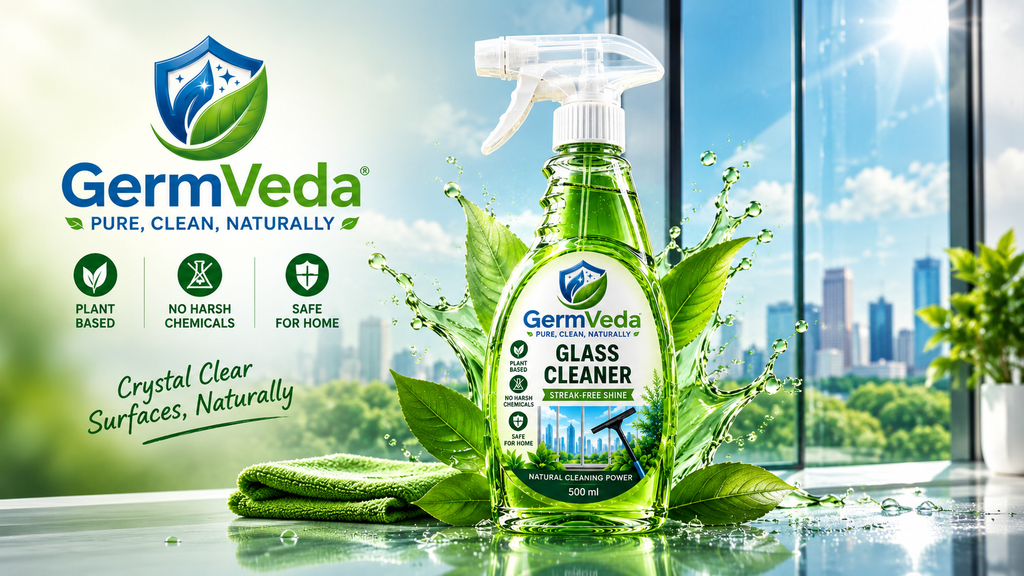
Selecting the right product is an important part of effective surface care. A product designed specifically for one material should not automatically be assumed to work safely on another.
Before use, read the label carefully. Check the recommended surfaces, directions, precautions, and any warnings provided by the manufacturer.
It is also important to store household products safely by Cleaning . Keep containers properly closed and place them somewhere that children and pets cannot easily access.
Never mix different chemical products unless the manufacturer explicitly confirms that they are compatible. Some combinations can create harmful fumes or dangerous reactions.
Using the correct product in the correct quantity is generally more useful than simply using a larger amount.
The Importance of Good Cleaning Tools
Products are only one part of maintaining a space. The tools used during the process Cleaning can also affect the final result.
Microfiber cloths are useful for many everyday wiping tasks because they can capture dust and residue effectively. Separate cloths may be preferable for kitchens, bathrooms, glass, and other areas to reduce the transfer of dirt between surfaces.
Mops, brushes, sponges, and other tools should also be washed or replaced when necessary bcs its mainting the Cleaning . A heavily soiled cloth or mop can spread residue rather than effectively removing it.
Keeping basic tools organized by Cleaning makes it easier to deal with small messes immediately instead of allowing them to accumulate.
Creating a Practical Routine Cleaning
A simple schedule can make household maintenance much easier. Instead of trying to handle everything on one day, divide tasks according to frequency.
Daily Cleaning activities may include wiping frequently used surfaces, removing visible spills, managing kitchen counters, and dealing with obvious dirt.
Weekly tasks can include deeper floor maintenance, bathroom care, dusting less frequently touched areas, and maintaining mirrors and glass surfaces.
Monthly or occasional activities might include windows, curtains, furniture, difficult-to-reach areas, and other parts of the property that do not require daily attention.
The exact schedule depends on the size of the space, number of occupants, pets, traffic levels, and individual requirements.
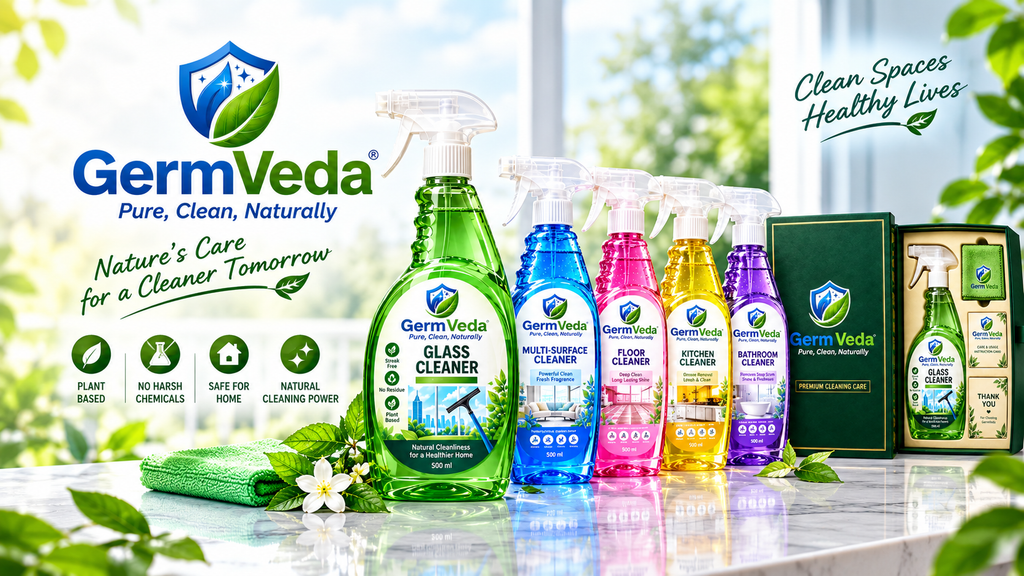
Simple Habits That Make a Difference
Small habits can significantly reduce the amount of work required later. Wiping a spill immediately is generally easier than removing the same residue after it has dried.
Removing shoes before entering certain areas can reduce the amount of outdoor dirt brought indoors. Keeping frequently used objects organized also makes surfaces easier to maintain.
Opening windows when appropriate can improve airflow, while proper ventilation in moisture-prone areas can help manage humidity.
Another useful habit is to avoid allowing unnecessary clutter to accumulate. Fewer objects on a surface generally means fewer obstacles when wiping or maintaining it after Cleaning .
Safety Should Always Come First
Effective household care should never compromise safety. Always read product directions before use and follow recommended precautions.
Some products may require gloves, ventilation, or other protective measures. Keep chemicals in their original containers whenever possible, and never use food or drink containers for storing household products.
If a product accidentally comes into contact with the eyes or skin, follow the safety instructions provided on its packaging and seek appropriate medical assistance when necessary.
Good maintenance is about achieving a better environment while protecting the people, pets, and surfaces within it.
Final Thoughts
Cleaning is an everyday responsibility that becomes much easier when approached through consistent habits rather than occasional intensive efforts. From glass and floors to kitchens, bathrooms, offices, and frequently touched surfaces, every part of a property can benefit from appropriate care.
The most effective approach combines the right product, suitable tools, proper technique, and a realistic schedule. Understanding different materials is equally important because not every surface should be treated in the same way.
A few minutes of regular maintenance can prevent dirt and residue from becoming a much larger problem later. By making surface care part of your normal routine, you can create surroundings that look fresher, feel more comfortable, and remain easier to manage over time.
Whether you are maintaining a family home, professional office, retail space, or commercial property, consistency is the key with using Cleaning . A well-planned routine does not need to be complicated—it simply needs to be practical, safe, and suited to the environment.
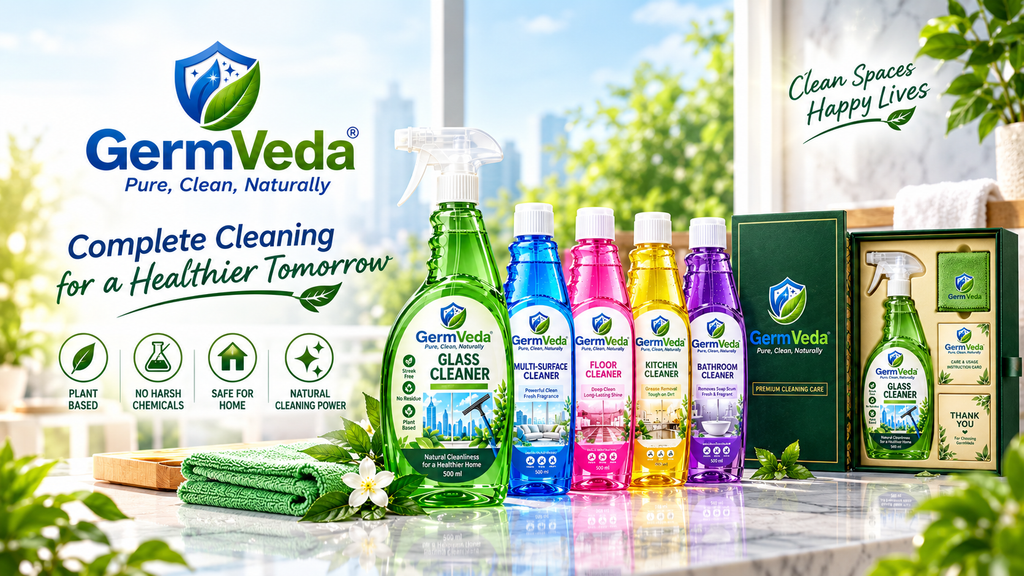
Smart Ways to Maintain a Fresh and Well-Kept Space
Maintaining a property is not only about removing visible dirt. A well-kept environment requires attention to small details that are often overlooked during everyday routines. Corners, handles, switches, shelves, furniture edges, and frequently used objects can gradually collect dust and residue even when the main areas appear tidy.
Developing a systematic approach can make these tasks easier. Instead of waiting until every surface becomes noticeably dirty, regular maintenance allows small problems to be handled before they turn into difficult buildup. This approach can also help preserve the appearance of furniture, fixtures, flooring, and other household materials.
Pay Attention to Frequently Touched Areas
Some surfaces receive considerably more contact than others. Door handles, light switches, drawer handles, remote controls, keyboards, elevator buttons, and cabinet knobs are examples of areas that may require more frequent attention.
Because these surfaces are handled repeatedly throughout the day, they can accumulate oils, fingerprints, dust, and other residue. Including them in a regular maintenance routine can help keep commonly used spaces more presentable.
When working with electronic equipment, moisture should be controlled carefully. Cleaning solutions should never be sprayed directly onto sensitive electronics unless the manufacturer specifically recommends doing so. Instead, use an appropriate cloth and follow the equipment manufacturer’s care instructions.
Don’t Ignore Hard-to-Reach Areas
Visible surfaces naturally receive the most attention, while less accessible areas can remain untouched for long periods. Spaces behind furniture, underneath appliances, along skirting boards, inside cabinet corners, and around fixtures can gradually collect dust.
A long-handled duster, narrow brush, vacuum attachment, or microfiber cloth can make these areas easier to reach. Moving lightweight furniture occasionally can also reveal areas that have been missed during regular maintenance.
There is no need to clean every hidden area every day. Adding these locations to a weekly or monthly schedule can be sufficient for many households, depending on the environment.
Use the Right Amount of Water
Water is commonly used for household maintenance, but more water does not always produce better results. Certain materials can react poorly to excessive moisture.
Wooden surfaces, laminate, electronics, and some types of flooring may require controlled moisture. Leaving water on a surface for an extended period can cause swelling, marks, discoloration, or other damage depending on the material.
Using a damp rather than soaking-wet cloth is often more practical for many everyday tasks. After wiping, surfaces should be allowed to dry appropriately according to their material and care requirements.
Manage Dust Before It Spreads
Dust can easily move from one surface to another when handled incorrectly. Starting from higher surfaces and gradually working downward can make the process more efficient because loose particles naturally move toward lower areas.
For example, shelves, furniture tops, and higher fixtures can be addressed before floors. This reduces the chance of having to repeat the same work.
Regular vacuuming, dusting, and ventilation can also help manage the amount of airborne and settled dust in a property. Homes located near busy roads or construction areas may require more frequent attention because outdoor particles can enter through doors and windows.
Keep Fabrics Fresh
Curtains, cushions, rugs, mattresses, upholstery, and other fabric-based materials can hold dust and everyday odors. Their maintenance requirements vary depending on the material and manufacturer’s instructions.
Vacuuming suitable fabrics can help remove loose particles, while washable materials should be laundered according to their care labels. Curtains and upholstery should not automatically be treated with water or chemicals because some fabrics may shrink, discolor, or become damaged.
Allowing fabrics to dry properly after washing is equally important. Moisture trapped inside thick materials can create an unpleasant environment and may damage the material over time.
Maintain a Clutter-Free Environment
A crowded surface is more difficult to maintain than an organized one. Books, packaging, cables, cosmetics, kitchen items, and miscellaneous objects can create unnecessary obstacles.
Keeping frequently used belongings in designated locations makes surfaces easier to access. It also allows dust and spills to be noticed more quickly.
A simple habit of returning items to their proper place after use can therefore contribute to easier household maintenance without requiring additional products or equipment.
Consider Seasonal Maintenance
Different seasons can create different maintenance requirements. During rainy periods, mud and moisture may enter through footwear and windows. In dry weather, dust can become more noticeable, particularly in areas with open windows.
Before and after seasonal changes, it can be useful to inspect areas that are not normally checked. Fans, vents, window tracks, storage spaces, wardrobes, and balconies may require additional attention.
Seasonal maintenance can also be a good opportunity to organize unused belongings and remove items that are no longer needed.
Avoid Common Mistakes
One common mistake is assuming that every household product can be used on every surface. This can lead to discoloration, scratches, dull finishes, or other unwanted results.
Another mistake is combining different chemical products. Some combinations can produce harmful gases or reactions. Products should therefore be used independently unless their labels specifically confirm compatibility.
Using dirty cloths is another avoidable problem. Instead of removing residue, an old or heavily soiled cloth may simply spread it across another area. Washing reusable materials regularly helps maintain better results.
Ignoring manufacturer instructions can also create unnecessary risks. Product labels exist to explain appropriate applications, quantities, precautions, and storage requirements.
Make Maintenance More Efficient
Efficiency does not necessarily mean working faster. It means reducing unnecessary effort. Keeping frequently used supplies together can prevent time being wasted searching for them.
A small household maintenance kit might include microfiber cloths, suitable brushes, a mop, gloves, and products designed for specific surfaces. Storing these items in an organized location makes it easier to respond quickly when spills or marks appear.
For larger properties, dividing responsibilities by room or task can make the workload more manageable. Commercial spaces may benefit from written schedules so that important areas are not accidentally overlooked.

Focus on Long-Term Surface Care
The purpose of regular cleaning is not simply to make a property look better for a few hours. Consistent maintenance can help protect surfaces from prolonged exposure to dirt, grease, moisture, and residue.
Glass that is regularly maintained is less likely to develop persistent marks. Floors that receive appropriate care can remain more attractive, while furniture may retain its finish when treated according to its material requirements.
This does not mean every surface needs daily attention. The ideal frequency depends on how often an area is used, the type of material, environmental conditions, and the amount of dirt it receives and it would Cleaning time to time .
Final Takeaway
A well-maintained environment is created through many small habits rather than one major effort in Cleaning . Paying attention to frequently touched areas, managing dust, controlling moisture, caring for fabrics, reducing clutter, and following product instructions can make everyday upkeep considerably easier.
The most useful approach is to create a routine that fits your actual lifestyle. A small apartment may require a different schedule from a large family home, while an office or commercial property may need more frequent attention because of higher foot traffic.
With suitable products, appropriate tools, and consistent habits, maintaining a fresh and organized environment becomes less time-consuming. The objective is simple: protect your surroundings, make everyday spaces more comfortable, and prevent small maintenance issues from becoming bigger problems.
Regular cleaning plays an important role in maintaining a fresh and comfortable environment. Effective cleaning removes everyday dust, stains, residue, and unwanted buildup from commonly used surfaces. A consistent cleaning routine can make household cleaning easier and more manageable. Professional cleaning methods can also help protect surfaces when the right products are used correctly
. From kitchen cleaning to bathroom cleaning, each area may require a different approach. Glass cleaning, floor cleaning, and furniture cleaning should always be performed according to the material and manufacturer’s instructions. Regular cleaning also helps prevent dirt from becoming difficult to remove over time. By making cleaning part of a simple daily or weekly routine, homeowners and businesses can maintain a more organized and pleasant space without spending excessive time on intensive cleaning.