
Introduction
Glass adds brightness, beauty, and openness to homes, offices, shops, and commercial buildings. Clean glass allows natural light to enter a room, improves visibility, and makes windows, doors, mirrors, shower screens, and glass tables look attractive. However, glass can quickly become dirty because of dust, fingerprints, grease, rainwater marks, pollution, hard-water deposits, and other stubborn residues. When dirt builds up for weeks or months, ordinary wiping may no longer be enough to restore a clear finish.
Learning how to clean extremely dirty glass requires more than spraying a cleaning product and wiping it with a cloth. The right method depends on the type of dirt, the condition of the glass, the surrounding frame, and whether the surface has a special coating. Using the wrong tool or applying too much pressure can leave scratches, streaks, or permanent damage.
Fortunately, even heavily soiled glass can often be cleaned successfully with a systematic approach. By removing loose dust first, choosing a suitable cleaner, using the right equipment, and drying the surface correctly, you can achieve a cleaner and clearer finish without unnecessary effort.
This guide explains practical cleaning methods for extremely dirty glass, including windows, shower doors, mirrors, glass tables, and exterior panels. It also covers common mistakes, useful tools, safety precautions, and ways to prevent dirt from accumulating again.

1. Understand Why Glass Becomes Extremely Dirty
Before choosing a cleaning method, identify the type of dirt covering the glass. Different residues require different treatments, and understanding the cause helps prevent damage.
Dust and loose dirt
Dust often collects on window glass, especially near roads, construction areas, open windows, and busy streets. When dust mixes with moisture, it can form a muddy film that becomes difficult to remove with a dry cloth.
Grease and fingerprints
Glass doors, kitchen windows, cabinets, and tables frequently develop greasy fingerprints. Cooking vapours can also leave an oily layer that attracts additional dust. Ordinary water may spread this residue instead of removing it completely.
Hard-water stains
Hard water contains minerals that can remain on glass after water droplets evaporate. These deposits often appear as white spots, cloudy patches, or circular marks on shower doors and exterior windows.
Soap scum
Shower screens may develop a mixture of soap residue, body oils, and mineral deposits. This film can make glass appear cloudy even after regular cleaning.
Outdoor pollution and bird droppings
Exterior glass can accumulate vehicle emissions, airborne particles, pollen, bird droppings, and rainwater residue. These contaminants may become stubborn when exposed to sunlight and weather for long periods.
Identifying the residue is the first step toward learning how to clean extremely dirty glass effectively and safely.
2. Gather the Right Glass-Cleaning Supplies
Using suitable tools makes cleaning faster and reduces the chance of scratching the surface. You do not need an expensive collection of equipment for most household jobs, but a few basic supplies are helpful.
Essential supplies include:
- Microfiber cloths for wiping and polishing.
- A soft sponge or non-abrasive scrubber.
- A bucket filled with clean water.
- A suitable glass-cleaning solution.
- A spray bottle for controlled application.
- A rubber-bladed squeegee for larger glass surfaces.
- A soft-bristled brush for frames and corners.
- A dry towel for collecting drips.
- Gloves and eye protection when using stronger cleaning products.
For extremely dirty exterior windows, a window-washing applicator can help distribute the cleaning solution evenly. A long-handled cleaning tool may also be useful for safely reachable high windows.
Avoid steel wool, rough scouring pads, abrasive powders, and sharp blades unless the glass manufacturer specifically permits the tool and you understand how to use it safely. Some glass surfaces have coatings that can be damaged by aggressive cleaning.
Always check product labels and test a cleaner on a small, inconspicuous area when you are unsure whether it is compatible with the surface.
3. Remove Loose Dust Before Applying Liquid
One of the most important steps is removing loose dirt before wet cleaning. If you immediately wipe heavily dusty glass with a wet cloth, dust particles can turn into muddy streaks and may scratch the surface when rubbed.
Start by opening the window, if safe, and removing curtains or objects that could interfere with cleaning. Use a clean, soft microfiber cloth or a soft brush to remove loose dust from the glass and frame.
For large windows, work from the top toward the bottom so falling dirt does not contaminate an area you have already cleaned. Pay attention to the edges, corners, and window tracks, where dust often accumulates.
If the glass is covered in thick outdoor grime, rinse it gently with clean water where practical. Avoid using a high-pressure washer close to the glass, seals, or frames because pressure can damage seals and force water into unwanted areas.
Do not dry-wipe glass covered with gritty construction dust, sand, or other abrasive particles. Remove these contaminants gently with an appropriate rinse first.
This preparation step is especially useful when deciding how to clean extremely dirty glass that has been exposed to months of outdoor pollution.
4. Choose a Suitable Cleaning Solution
The best cleaning solution depends on the type of residue and the glass surface. A mild solution is usually a sensible starting point because it can remove ordinary dirt without exposing the surface to unnecessarily strong chemicals.
Option 1: Mild dish soap and water
For general dirt, greasy fingerprints, and everyday grime, mix a small amount of mild dishwashing liquid into a bucket of warm water. The solution should feel slightly soapy rather than thick or heavily concentrated.
Dip a soft sponge or microfiber applicator into the mixture, then apply it evenly to the glass. The soap helps loosen oily deposits so they can be removed during rinsing or squeegeeing.
Use only a small amount of detergent. Too much soap can leave a film that causes streaks after drying.
Option 2: Commercial glass cleaner
A commercial glass cleaner can be convenient for fingerprints, light grease, and general indoor cleaning. Choose a product labelled for the specific surface you intend to clean.
Follow the manufacturer’s directions regarding application, ventilation, contact time, and drying. Some cleaners are designed for ordinary windows and mirrors, while others may not be suitable for tinted, coated, or specialty glass.
Avoid spraying excessive amounts of cleaner. A light, even application is often easier to remove than a heavily saturated surface.
Option 3: Diluted vinegar for certain mineral marks
Diluted white vinegar can help loosen some mineral deposits on suitable glass surfaces. However, vinegar is acidic and should not be used indiscriminately.
Keep it away from natural stone, sensitive metal finishes, and surfaces whose manufacturer prohibits acidic cleaners. It may also be unsuitable for certain coatings, films, or sealants. Test an inconspicuous area and follow the glass manufacturer’s recommendations.
Never mix cleaning products. In particular, never mix vinegar with bleach or combine bleach with ammonia-containing products. Dangerous gases can form. Use one product at a time and rinse the surface appropriately before switching products.
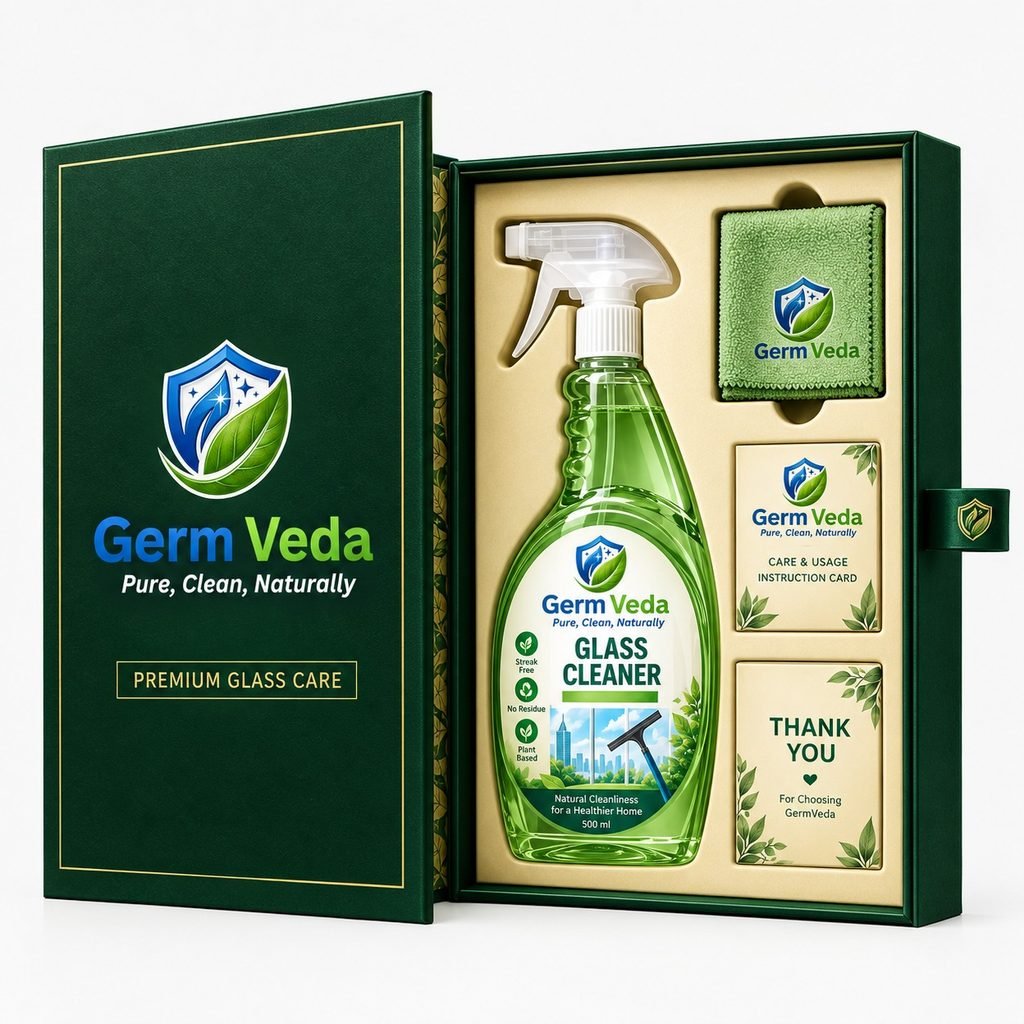
5. How to Clean Extremely Dirty Glass Step by Step
A methodical cleaning process is more effective than repeatedly wiping the same dirty patch. Follow these steps for windows, glass doors, and other suitable household glass surfaces.
Step 1: Prepare the area
Move furniture, electronic devices, decorative items, and other belongings away from the glass. Place a towel beneath indoor windows to catch drips.
If you are cleaning a window near an electrical outlet or appliance, keep water away from electrical components. Wear gloves if your chosen product requires them.
Step 2: Remove loose dirt
Brush away dust and cobwebs from the frame and corners. Gently rinse away loose grit where possible. This prevents particles from being dragged across the surface during scrubbing.
Step 3: Apply the cleaning solution
Spread your chosen solution evenly across the glass using a soft sponge or applicator. On large windows, divide the surface into manageable sections so the cleaner does not dry before you remove it.
Allow the solution to sit only for the time recommended on the product label. Do not allow it to dry on the glass.
Step 4: Loosen stubborn grime
Use gentle circular motions or overlapping strokes with a non-abrasive sponge. Concentrate on greasy fingerprints, dirty corners, and visible residue.
Do not press excessively hard. If the dirt does not loosen, apply fresh solution and allow it to work as directed rather than increasing pressure.
Step 5: Remove the dirty solution
For large flat surfaces, use a clean rubber-bladed squeegee. Begin near the top and draw the blade across the glass in overlapping passes. Wipe the rubber blade with a clean cloth after each pass.
For smaller glass surfaces, use a clean, damp microfiber cloth to remove the loosened dirt. Rinse the cloth frequently so you are not transferring grime from one section to another.
Step 6: Rinse when necessary
If you used soapy water or the glass remains coated with residue, wipe it with a separate cloth dampened with clean water. This helps remove leftover detergent and loosened dirt.
Step 7: Dry and polish
Use a clean, dry microfiber cloth to remove remaining moisture around edges and corners. Inspect the glass from different angles to identify streaks or missed areas.
If needed, lightly polish the affected patch with a fresh cloth. Avoid repeatedly wiping the entire surface with a dirty or damp cloth.
Following these steps provides a reliable foundation for cleaning heavily soiled glass without unnecessary scratching or streaking.
6. How to Remove Stubborn Grease from Glass
Greasy glass often needs more attention than dusty glass because oils resist plain water. Kitchen windows, glass cabinet doors, dining tables, and doors near frequently touched areas can develop a persistent film.
Begin by removing loose dust. Then apply a mild dish-soap solution using a soft sponge. Work gently over the greasy area, paying particular attention to fingerprints and the edges of handles.
Wipe away the loosened grease with a clean, damp microfiber cloth. Repeat the process if a greasy haze remains. After the residue has been removed, rinse with clean water if necessary and dry the glass thoroughly.
For glass that remains oily, use a suitable commercial glass cleaner according to its label. Confirm that it is safe for the surface, especially if the glass has a protective film or decorative coating.
Avoid using cooking oils, furniture polish, or oily household products to treat greasy glass. These substances can leave additional residue and make the surface harder to clean.
In kitchens, cleaning glass more frequently can prevent cooking vapours from building into a thick film.
7. How to Remove Hard-Water Stains and Mineral Deposits
Hard-water stains are common on shower doors, bathroom windows, and glass near sprinklers. They often appear as cloudy patches, white rings, or spots that remain after ordinary cleaning.
First, clean the surface using a mild glass-safe solution to remove soap, dust, and other dirt. This helps reveal whether the remaining marks are mineral deposits.
For suitable uncoated glass, apply a diluted vinegar solution or a commercial mineral-deposit remover specifically labelled safe for glass. Follow the instructions and avoid letting the product dry on the surface.
Gently wipe the affected area with a soft cloth, then rinse thoroughly if the product directions require it. Dry the glass to assess the result.
Some mineral deposits become etched into the glass after long exposure. Etching is physical damage rather than a removable surface stain, so ordinary cleaning may not restore the original appearance. Persistent marks may require professional assessment.
Do not scrape mineral deposits with a knife or an unapproved razor blade. This can scratch the glass or damage coatings and films.
To reduce future hard-water marks, wipe shower screens dry after use and address leaks or sprinkler patterns that repeatedly wet exterior windows.
8. How to Clean Extremely Dirty Shower Glass
Shower glass can become cloudy because soap scum, body oils, and mineral deposits build up together. Cleaning works best when you remove the surface film before treating any remaining mineral marks.
Start by ventilating the bathroom and removing bottles or accessories that block access to the glass. Rinse the shower screen with warm water if appropriate.
Apply a glass-safe bathroom cleaner or mild detergent solution. Use a non-abrasive sponge to work over the glass in sections, paying attention to lower edges where residue often collects.
Rinse thoroughly and inspect the surface. If cloudy mineral spots remain, use a compatible mineral-deposit cleaner according to its label. Do not combine products or apply a second cleaner over the first without rinsing as directed.
Finish by removing water with a clean squeegee, then wipe the edges and seals dry with a microfiber cloth.
Avoid abrasive powders and harsh scouring pads. They can scratch the surface or damage decorative finishes. Also, do not use acidic products on surrounding stone tiles or other materials that may be sensitive to them.
A quick squeegee after each shower can greatly reduce the amount of scrubbing required later.
9. How to Clean Exterior Windows Covered in Dirt
Exterior windows face dust, rain, pollen, insects, pollution, and bird droppings. Their cleaning needs can differ from indoor glass because outdoor grime may contain gritty particles.
Begin by checking the weather and choosing a time when the glass is not excessively hot from direct sunlight. Hot glass can cause cleaning solutions to dry too quickly, increasing the likelihood of streaks.
Remove loose cobwebs and dust from reachable frames. If practical, rinse the glass gently with clean water to remove grit. Apply a suitable window-cleaning solution with a soft applicator, working from the top downward.
Use a squeegee to remove the dirty liquid in overlapping passes. Wipe the blade after each pass and dry the edges with a clean cloth.
Never lean out of an open window or stand on an unstable chair to reach exterior glass. Use properly rated equipment from a secure position, or hire a qualified window cleaner for upper floors and difficult-to-access areas.
For tall buildings, skylights, or glass above stairwells, professional cleaning is often the safest choice.
10. How to Clean Glass Mirrors and Tables
Mirrors and glass tables often collect fingerprints, dust, drink marks, cosmetics, and oily smudges. Although these surfaces may look similar to windows, their edges and backing materials require extra care.
For mirrors, apply a small amount of suitable glass cleaner to a microfiber cloth rather than soaking the edges. Excess liquid can seep behind the mirror and damage its backing over time.
Wipe the surface gently, then polish with a separate dry cloth. Avoid spraying cleaner directly into the edges, joints, or mounting hardware.
For glass tables, remove decorative objects first. Brush away crumbs or grit before wiping the surface. Use a mild cleaning solution and a clean cloth to loosen fingerprints and food residue.
Dry the table thoroughly, including the underside of exposed edges where drips may collect. If the table has a special coating, painted underside, or decorative treatment, follow the manufacturer’s cleaning instructions.
Never drag ceramic objects, metal accessories, or gritty decorations across the glass because they may scratch it.
11. How to Prevent Streaks When Cleaning Glass
Streaks can remain even after dirt has been removed. They often result from excess cleaner, detergent residue, dirty cloths, direct sunlight, or incomplete drying.
To achieve a clearer finish, keep these practical tips in mind:
- Use clean microfiber cloths rather than old, lint-producing towels.
- Change dirty cleaning water instead of continuing to spread grime.
- Apply only the amount of cleaner needed to loosen the dirt.
- Avoid cleaning very hot glass when the solution may dry too quickly.
- Wipe or squeegee from top to bottom.
- Clean the squeegee blade after each pass.
- Use a separate dry cloth for final polishing.
- Inspect the glass in natural light from more than one angle.
If streaks appear, do not automatically add more cleaner. First, wipe the affected area with a clean cloth dampened with water if appropriate, then dry it thoroughly. This can remove leftover detergent or cleaner residue.
The right technique is often more important than using multiple cleaning products.
12. Common Mistakes to Avoid
Even when you know how to clean extremely dirty glass, certain habits can make the task harder or damage the surface.
Using abrasive materials
Rough pads, scouring powders, and unsuitable metal tools may leave permanent scratches. Choose soft cleaning materials unless the glass manufacturer specifically approves another method.
Cleaning before removing grit
Wiping gritty dirt directly can drag particles across the glass. Brush or rinse away loose contaminants first.
Using too much detergent
Excess soap can leave a film that attracts dirt and causes streaks. Use a small quantity and rinse when necessary.
Allowing cleaner to dry
Dried solution can leave visible marks. Work in manageable sections and remove the liquid before it evaporates.
Ignoring frames and edges
Dirty frames can release dust and dirty water onto freshly cleaned glass. Clean the surrounding frame and tracks as part of the process.
Mixing cleaning products
Combining products can create dangerous chemical reactions. Use one product at a time, follow the label, and ventilate the room.
Ignoring special coatings
Tinted, coated, laminated, or treated glass may require specific cleaners and tools. Check the manufacturer’s instructions before using vinegar, solvents, blades, or other specialised products.
Avoiding these mistakes helps protect the glass while making each cleaning session more effective.

13. Safety Tips for Heavy-Duty Glass Cleaning
Safety matters when cleaning large windows, bathroom screens, and glass in hard-to-reach places. Wet floors, sharp broken edges, cleaning chemicals, and unstable ladders can all create hazards.
Wear suitable gloves if the cleaning product recommends them, and provide ventilation when using commercial cleaners. Keep children and pets away from wet floors and stored chemicals. Never transfer cleaning solutions into unlabelled beverage containers.
Do not clean cracked or damaged glass without assessing the risk. Pressure and movement may worsen existing damage. If glass is broken, leave the area and arrange safe professional removal rather than handling sharp fragments with bare hands.
For high windows, use tools designed for the task and work from a stable, secure position. Do not stretch beyond your reach or climb onto furniture. When a job requires working at height, professional equipment and training may be necessary.
If a cleaning product causes skin or eye exposure, follow its label’s first-aid directions and seek appropriate medical or poison-control advice when necessary.
14. How Often Should You Clean Glass?
The ideal cleaning schedule depends on the location and amount of exposure.
- Indoor mirrors: Clean when fingerprints or marks become visible.
- Kitchen glass: Wipe regularly because cooking vapours and grease accumulate quickly.
- Shower doors: Use a squeegee after each shower and perform a deeper clean as needed.
- Interior windows: Clean every few weeks or whenever dust and smudges become noticeable.
- Exterior windows: Clean according to local dust, pollen, weather, and pollution levels.
- Glass tables and doors: Spot-clean fingerprints and spills promptly.
These are starting points rather than strict rules. Homes near busy roads, construction sites, coastal environments, or dusty areas may need more frequent cleaning.
Regular light cleaning prevents stubborn buildup and reduces the need for aggressive scrubbing. It is usually easier to remove fresh dirt than to tackle months of accumulated residue.
15. When Should You Hire a Professional Glass Cleaner?
Some glass-cleaning jobs are better left to trained professionals. Consider professional assistance if windows are located several storeys above the ground, are difficult to access, or require specialised equipment.
Professional help may also be appropriate when glass has extensive mineral deposits, paint overspray, construction residue, or suspected etching. A qualified cleaner can assess the surface and determine whether a suitable treatment is possible.
Before hiring someone, explain the type of glass, the nature of the stains, and any known coatings or damage. Ask what cleaning products and tools will be used and whether the method is suitable for the specific surface.
Professional cleaning can save time and reduce risk, especially for large buildings, skylights, conservatories, and commercial glass installations.
16. Practical Tips to Keep Glass Cleaner for Longer
Once the glass is clean, simple habits can slow the return of dirt.
Keep window tracks and frames free from dust so debris does not transfer onto the glass. Use exhaust fans while cooking and showering to reduce moisture and airborne residue. Wipe spills and fingerprints promptly instead of allowing them to harden.
In bathrooms, remove standing water from shower screens after use. Outdoors, adjust sprinklers so they do not repeatedly spray windows. Where practical, keep nearby surfaces and screens clean to reduce the amount of dust that reaches the glass.
Use clean cloths and store them separately from greasy kitchen towels. Wash microfiber cloths according to their care instructions, avoiding fabric softener if the manufacturer advises against it, as residues can reduce absorbency.
These small habits help maintain a clearer appearance and make future cleaning easier.

Conclusion
Learning how to clean extremely dirty glass is easier when you identify the type of dirt, select a suitable cleaning solution, and follow a careful process. Start by removing loose dust and grit, apply a compatible cleaner, gently loosen stubborn residue, and remove the dirty solution with a clean cloth or squeegee. Finish by drying the edges and checking the glass for streaks.
For greasy fingerprints, a mild dish-soap solution may be enough. For suitable glass with mineral deposits, a compatible mineral cleaner or diluted vinegar may help. Shower screens, mirrors, coated glass, and exterior windows each require attention to their specific materials and conditions.
Most importantly, avoid abrasive tools, excessive pressure, unsafe climbing, and mixing cleaning chemicals. Some marks may be permanent etching rather than removable dirt, so repeated aggressive scrubbing will not necessarily improve the result.
With the right equipment, a consistent technique, and regular maintenance, you can restore the clarity of many heavily soiled glass surfaces and keep them looking cleaner for longer. The most reliable approach is to work patiently, use surface-appropriate products, and prioritise safety throughout the cleaning process.
How to clean extremely dirty glass?/How to clean extremely dirty glass?/How to clean extremely dirty glass?/
How to clean extremely dirty glass?/How to clean extremely dirty glass?/How to clean extremely dirty glass?/How to clean extremely dirty glass?/How to clean extremely dirty glass?/How to clean extremely dirty glass?/
How to clean extremely dirty glass?/How to clean extremely dirty glass?/How to clean extremely dirty glass?/How to clean extremely dirty glass?/How to clean extremely dirty glass?/How to clean extremely dirty glass?/
How to clean extremely dirty glass?/How to clean extremely dirty glass?/How to clean extremely dirty glass?/How to clean extremely dirty glass?/How to clean extremely dirty glass?/How to clean extremely dirty glass?/
How to clean extremely dirty glass?/How to clean extremely dirty glass?/How to clean extremely dirty glass?/How to clean extremely dirty glass?/How to clean extremely dirty glass?/How to clean extremely dirty glass?/
How to clean extremely dirty glass?/How to clean extremely dirty glass?/How to clean extremely dirty glass?/How to clean extremely dirty glass?/How to clean extremely dirty glass?/How to clean extremely dirty glass?/
How to clean extremely dirty glass?/How to clean extremely dirty glass?/How to clean extremely dirty glass?/How to clean extremely dirty glass?/How to clean extremely dirty glass?/How to clean extremely dirty glass?/
How to clean extremely dirty glass?