
Introduction
Glass is an important part of modern homes, offices, shops, and commercial buildings. Windows, mirrors, glass doors, shower screens, display cabinets, and glass tables help create bright, open, and attractive spaces. However, these surfaces frequently collect dust, fingerprints, grease, water spots, and other marks that reduce their clarity. Ordinary water may remove some dirt, but it does not always eliminate oily residue or leave a streak-free finish. This is where glass cleaner becomes useful.
What is glass cleaner? Glass cleaner is a cleaning product specially formulated to remove common dirt, smudges, fingerprints, and other residues from suitable glass surfaces. Depending on its formulation, it may also help the glass dry quickly and leave fewer visible streaks. Glass cleaners are available as ready-to-use sprays, concentrated liquids, foaming products, and other specialised formulations.
Choosing the right cleaner is important because not every glass surface has the same cleaning requirements. A product suitable for an ordinary window may not be appropriate for tinted glass, protective films, electronic screens, or delicate coatings. Understanding the ingredients, uses, benefits, and limitations of glass cleaner helps you select the right product and use it safely.
In this guide, you will learn how glass cleaner works, which surfaces it can clean, how to use it correctly, what ingredients to look for, and how to avoid common cleaning mistakes.
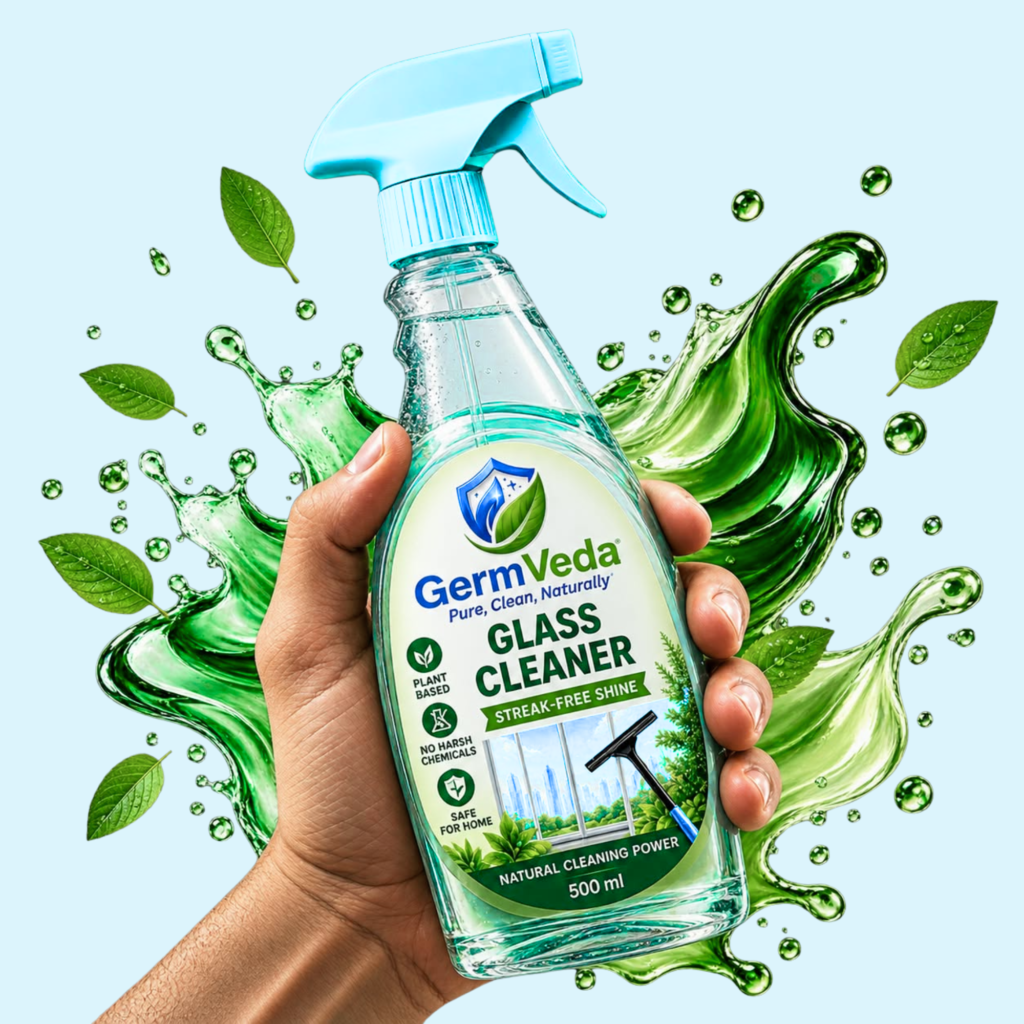
1. What Is Glass Cleaner?
Glass cleaner is a liquid or spray cleaning product designed to remove dirt and residue from glass surfaces. Its primary purpose is to improve visibility and appearance by lifting or dissolving common contaminants such as fingerprints, dust, light grease, and water marks.
Most glass-cleaning products contain a combination of water, cleaning agents, and other ingredients that support cleaning performance. Depending on the formula, a product may contain solvents, surfactants, fragrance, colourants, or ingredients intended to help reduce streaking.
Some formulations are designed for everyday household use, while others are developed for commercial buildings, automotive glass, or specialised surfaces. The correct choice depends on the manufacturer’s directions and the type of glass being cleaned.
Glass cleaner is not necessarily a disinfectant. Although some products may have additional sanitising or disinfecting claims, ordinary glass cleaner should not automatically be assumed to kill germs. If disinfection is required, select a product specifically labelled for that purpose and follow its instructions.
The main goal of a glass cleaner is simple: remove visible contamination while leaving the glass clear, clean, and suitable for its intended use.
2. How Does Glass Cleaner Work?
Glass cleaner works by loosening, dissolving, or lifting substances from the glass so they can be wiped away with a suitable cloth or applicator. Different ingredients perform different functions.
Surfactants
Surfactants help water spread across a surface and interact with certain types of dirt. They can help loosen oily fingerprints and other residues so they can be removed during wiping.
The type and concentration of surfactant vary between products. Too much residue left behind after cleaning may cause streaks, which is why correct application matters.
Solvents
Some glass cleaners contain solvents that help dissolve grease, oily marks, or other residues. Alcohol-based ingredients are used in certain formulations because they can help with cleaning and may evaporate relatively quickly.
However, not every solvent is suitable for every surface. Some may affect protective coatings, films, seals, or nearby materials, so label instructions should always be followed.
Water
Water acts as a carrier for the cleaning ingredients and helps loosen water-soluble dirt. It also allows the product to spread across the glass.
The mineral content of the water can influence the final appearance. Hard water may leave deposits if droplets remain on the surface and evaporate.
Other ingredients
Some products contain ingredients for fragrance, product stability, colour, or other formulation purposes. Specialised products may be designed for particular cleaning needs.
A good result depends not only on the formula but also on the technique. Using a clean microfiber cloth, applying the correct amount, and drying the glass properly all help reduce streaks.
3. What Are the Main Types of Glass Cleaner?
Glass cleaners are available in several forms. Understanding their differences can help you choose a product that suits your cleaning task.
Ready-to-use glass cleaner
Ready-to-use cleaners are sold in spray bottles and can generally be applied directly according to the label. They are convenient for routine cleaning because they do not usually require mixing or dilution.
They are suitable for many ordinary household tasks, such as cleaning windows, mirrors, and glass doors, provided the label confirms compatibility.
Concentrated glass cleaner
Concentrated products are designed to be diluted with water according to the manufacturer’s instructions. They may be useful for cleaning larger areas or for users who regularly maintain multiple glass surfaces.
Accurate dilution is important. A solution that is too concentrated may leave residue or be unsuitable for the surface, while excessive dilution may reduce cleaning performance.
Foaming glass cleaner
Foaming cleaners produce a thicker layer of product that can help it remain on certain surfaces during application. They may be useful for selected vertical surfaces, although the correct method depends on the product.
Foam does not automatically mean better cleaning. The formula, surface, and wiping technique still determine the result.
Automotive glass cleaner
Automotive glass cleaners are designed for vehicle windows and windshields. Some products are formulated to address road film, fingerprints, and residues associated with vehicle use.
Choose a product compatible with the vehicle’s interior and exterior glass. Be especially careful with tinted windows, aftermarket films, dashboard materials, and nearby electronic components.
Specialist glass cleaners
Some products are designed for coated glass, commercial installations, or specific industrial uses. These products may have requirements that differ from ordinary household cleaners.
Always check the product label before using a specialist cleaner on a new surface.
4. What Surfaces Can Glass Cleaner Be Used On?
Glass cleaner is commonly used on smooth glass surfaces, but suitability depends on the formulation.
Windows
Window glass collects outdoor dust, rain marks, fingerprints, and pollution. A suitable cleaner can help remove these deposits and improve visibility.
For exterior windows, remove loose grit before wiping. Otherwise, abrasive particles may scratch the surface.
Mirrors
Mirrors can develop fingerprints, dust, toothpaste spots, and cosmetic residue. A suitable glass cleaner can remove many of these marks.
Apply the product to a microfiber cloth rather than soaking the mirror’s edges. Excess moisture can seep behind the reflective backing and contribute to deterioration.
Glass doors
Interior glass doors are frequently touched, making fingerprints and smudges common. Regular cleaning helps maintain a neat appearance and clear visibility.
Shower screens
Shower glass can collect soap scum and mineral deposits. A general glass cleaner may remove light residue, but heavy buildup may require a product specifically designed for bathroom glass or mineral deposits.
Check compatibility with nearby stone, metal finishes, and sealants.
Glass tables and cabinets
Glass furniture can develop fingerprints, dust, and food marks. A suitable cleaner and soft cloth can help restore a clean finish.
Before cleaning, remove loose grit and check whether the furniture has a special coating or decorative treatment.
Surfaces that require extra caution
Do not assume that a product suitable for ordinary glass is safe for every transparent surface. Some glass cleaners may be unsuitable for:
- Tinted glass or aftermarket window films.
- Anti-reflective or other specialised coatings.
- Acrylic and polycarbonate plastics.
- Electronic screens and touch displays.
- Certain painted or treated surfaces.
- Natural stone and sensitive nearby finishes.
For these materials, use a cleaner specifically approved by the manufacturer.

5. What Ingredients Should You Look For in Glass Cleaner?
Reading the product label can help you understand what a glass cleaner is designed to do. The best formulation depends on the type of dirt and the surface.
Water is a common base ingredient that carries the other components.
Surfactants help loosen and remove certain contaminants, including greasy fingerprints.
Alcohol-based solvents may help dissolve oily residue and support faster drying in some formulas.
Fragrance may be added to provide a particular scent, although fragrance is not necessary for cleaning performance and may bother people who are sensitive to it.
Specialised additives may be included for particular cleaning properties or product stability.
Ingredient lists and labelling practices vary by product and region. If you need to avoid a particular ingredient, check the full label and the manufacturer’s safety information rather than relying on general descriptions.
A cleaner does not have to contain a long list of ingredients to be effective. For everyday glass cleaning, a suitable formula combined with good technique is often enough.
6. What Are the Benefits of Using Glass Cleaner?
Using a suitable glass cleaner can make regular cleaning more convenient and help maintain the appearance of glass surfaces.
Removes common marks
Glass cleaners are designed to tackle common surface contamination, including fingerprints, light grease, dust, and everyday smudges.
Supports a clear finish
A suitable formulation can help reduce visible streaks when used with a clean cloth and the correct amount of product.
Saves cleaning time
Ready-to-use sprays can be convenient for quick touch-ups on mirrors, doors, and windows.
Helps maintain appearance
Clean glass makes rooms, displays, and furniture look more presentable. In commercial spaces, clear windows and display cases can contribute to a professional appearance.
Offers convenient application
Spray bottles allow controlled application, while concentrated products may suit users who clean large areas regularly.
Supports routine maintenance
Removing dirt before it accumulates can make later cleaning easier and reduce the need for intensive scrubbing.
These benefits depend on choosing a compatible product and following the directions. Glass cleaner cannot repair physical scratches, reverse etching, or restore a damaged mirror backing.
7. How to Use Glass Cleaner Correctly
Using the correct technique is just as important as choosing the right product. Follow these steps for most ordinary glass surfaces, while giving priority to the cleaner’s specific instructions.
Step 1: Remove loose dust
Use a soft brush or clean microfiber cloth to remove dust and grit. If the glass is heavily soiled, gently rinse it where appropriate.
Do not rub gritty particles across the surface because they can cause scratches.
Step 2: Check the product label
Confirm that the cleaner is suitable for the glass you intend to clean. Read any warnings about ventilation, protective equipment, contact time, or nearby materials.
Step 3: Apply the cleaner
Spray a moderate amount onto the glass or directly onto a microfiber cloth, depending on the product directions and the surface.
For mirrors and surfaces with sensitive edges, applying the cleaner to the cloth can help prevent excess liquid from running into gaps.
Step 4: Wipe evenly
Use overlapping strokes to loosen fingerprints, dust, and residue. Work in manageable sections, especially when cleaning large windows.
Step 5: Remove remaining moisture
Use a clean, dry microfiber cloth to polish the surface. For large windows, a suitable squeegee may help remove the cleaning solution evenly.
Step 6: Inspect the result
Look at the glass from different angles and in natural light. If streaks remain, check whether the cloth is dirty or whether too much product has been applied.
Use a clean cloth for the final polish instead of repeatedly rubbing the glass with a damp, contaminated one.
8. How to Get a Streak-Free Finish
Streaks are one of the most common problems people encounter while cleaning glass. They usually result from residue, dirty tools, unsuitable conditions, or poor technique.
Use these practical tips to improve the result:
- Choose a clean microfiber cloth that does not leave lint.
- Avoid using too much cleaning solution.
- Replace dirty cleaning water when necessary.
- Do not let the product dry on the glass unless the label specifically instructs otherwise.
- Avoid cleaning glass that is very hot from direct sunlight.
- Wipe from top to bottom on large vertical surfaces.
- If using a squeegee, wipe the rubber blade between passes.
- Dry the edges and corners, where water can collect.
- Wash cleaning cloths regularly and keep them free from fabric softener residue if the manufacturer advises against it.
If streaks remain, use a clean cloth dampened with water if appropriate, then dry the surface thoroughly. This can help remove excess cleaner.
Do not assume that adding more product will solve the problem. Sometimes, using less cleaner and a better cloth produces a clearer finish.

9. Glass Cleaner Versus Ordinary Soap and Water
Both glass cleaner and mild soap with water can be useful, but they serve slightly different purposes.
| Feature | Glass cleaner | Mild soap and water |
|---|---|---|
| Everyday fingerprints | Often effective | Can be effective |
| Light oily residue | Depends on formulation | Often effective with gentle wiping |
| Heavy dirt | May need pre-cleaning | Useful for loosening dirt |
| Streak-free finish | Designed for many glass surfaces | May leave residue if too much soap is used |
| Convenience | Ready-to-use options are available | Requires mixing and rinsing as needed |
| Special coatings | Check product compatibility | Still requires manufacturer guidance |
For ordinary fingerprints and light smudges, a suitable glass cleaner may be convenient. For heavily soiled surfaces, a mild detergent solution may help loosen dirt before a final glass-cleaning step.
Neither method is universally best. The right option depends on the contamination, the surface, and the product instructions.
10. Can You Make Glass Cleaner at Home?
A simple homemade cleaning solution may be suitable for some ordinary, uncoated glass surfaces.
One basic option is a small amount of mild dishwashing liquid mixed with water. Apply it using a soft cloth, wipe away the loosened dirt, and rinse with clean water if necessary. Dry the surface with a microfiber cloth.
Some people use diluted white vinegar for mineral marks on compatible glass. However, vinegar is acidic and should not be used on every surface. It can damage natural stone and may be unsuitable for certain coatings, films, sealants, or sensitive metal finishes.
If you choose a homemade solution, prepare only what you need and use a clearly labelled container. Never store a cleaning solution in a beverage bottle.
Never mix bleach with vinegar or ammonia-containing cleaners. Dangerous chemical reactions can release toxic gases. Do not combine homemade solutions with commercial products, and follow the label when switching between cleaners.
For coated glass, valuable antiques, or specialist surfaces, a manufacturer-approved product is the safer choice.
11. Common Glass-Cleaning Mistakes to Avoid
Even a good product can deliver poor results when used incorrectly.
Spraying too much cleaner
Excess liquid can run down the surface, collect at the edges, and leave residue. Apply only the amount recommended.
Using a dirty cloth
A cloth containing grease, dust, or detergent residue can spread marks instead of removing them.
Ignoring loose grit
Dust and sand can scratch the glass during wiping. Remove loose particles before applying the cleaner.
Using abrasive materials
Scouring pads, rough powders, and unsuitable blades can damage the glass or its coating.
Cleaning the wrong surface with the wrong product
Some products may damage tinted films, plastics, electronics, or specialised coatings. Confirm compatibility first.
Expecting glass cleaner to disinfect
Ordinary glass cleaner should not be assumed to disinfect a surface. Use a product with an appropriate disinfectant claim when disinfection is required.
Mixing chemicals
Combining cleaning products can create hazardous reactions. Use one product at a time and follow its safety instructions.
Avoiding these mistakes helps improve cleaning results while protecting the surface and the people using the product.
12. Is Glass Cleaner Safe for Daily Use?
Glass cleaner can be used for regular maintenance when the product is suitable for the surface and applied according to its instructions. However, safety depends on the ingredients, concentration, ventilation, and method of use.
Keep products away from children and pets. Store them in their original containers with the labels intact. Avoid spraying near food, open flames, or electrical equipment unless the label specifically allows the use.
When using a product indoors, follow its ventilation instructions. Wear gloves or other protective equipment if recommended. Avoid contact with eyes and skin, and never ingest cleaning products.
Do not mix cleaners or transfer them into unlabelled containers. If accidental exposure occurs, follow the first-aid instructions on the label and seek medical or poison-control advice when appropriate.
People who are sensitive to fragrances or certain ingredients may prefer a fragrance-free product, provided it is suitable for the intended surface.
Using the correct amount and avoiding unnecessary repeated application can make regular glass cleaning more practical.
13. How Often Should You Clean Glass Surfaces?
Cleaning frequency depends on where the glass is located and how quickly it becomes dirty.
- Windows: Clean when dust, rain marks, or outdoor pollution become noticeable.
- Mirrors: Remove fingerprints and splashes as needed.
- Shower screens: Use a squeegee after showers and perform deeper cleaning when residue develops.
- Glass tables: Wipe spills and fingerprints promptly.
- Kitchen glass: Clean regularly to prevent grease from accumulating.
- Display cabinets: Clean as needed to maintain visibility and presentation.
- Vehicle windows: Clean whenever dirt or road film affects visibility.
Homes near busy roads, construction sites, or dusty outdoor environments may need more frequent window cleaning. Bathrooms with hard water may also require more attention.
A consistent maintenance routine can reduce stubborn buildup and make each cleaning session easier.
14. How to Choose the Best Glass Cleaner
The best glass cleaner is the one that effectively removes the dirt you need to tackle without damaging the surface.
Before buying a product, consider the following factors.
Surface compatibility: Check whether the cleaner is suitable for windows, mirrors, tinted glass, or the specific surface you intend to clean.
Type of dirt: Fingerprints, grease, soap scum, and mineral deposits may require different cleaning approaches.
Ease of use: Ready-to-use sprays can be convenient for small jobs, while concentrates may suit larger cleaning tasks.
Residue and streaking: Choose a product designed for the finish you want, and use it with suitable cleaning tools.
Safety instructions: Review warnings, ventilation requirements, protective equipment, and storage guidance.
Environmental considerations: If environmental impact matters to you, check the product’s ingredient information, packaging, and any credible certifications rather than relying on broad marketing claims.
Price alone does not determine performance. A reasonably priced cleaner used correctly may work well for routine tasks, while a specialist product may be needed for certain surfaces or stubborn deposits.
Conclusion
Glass cleaner is a cleaning product designed to remove common dirt, fingerprints, greasy marks, and other residue from suitable glass surfaces. Depending on the formulation, it may help produce a clear, streak-free finish and make everyday maintenance more convenient.
Understanding what glass cleaner is helps you choose the right product for windows, mirrors, doors, shower screens, and glass furniture. Different formulations serve different purposes, so it is important to check surface compatibility and follow the manufacturer’s directions.
For the best results, remove loose dust before wiping, apply the appropriate amount of cleaner, use a clean microfiber cloth, and dry the glass carefully. Avoid abrasive materials, excessive product, and unsafe chemical combinations. Remember that ordinary glass cleaner does not automatically disinfect a surface and cannot repair scratches, etching, or damaged coatings.
With a suitable cleaner, the correct technique, and regular maintenance, you can keep many glass surfaces looking clear and attractive while reducing the effort needed for future cleaning.
What is glass cleaner?/What is glass cleaner?/What is glass cleaner?/What is glass cleaner?/What is glass cleaner?/What is glass cleaner?/What is glass cleaner?/What is glass cleaner?/What is glass cleaner?/What is glass cleaner?/What is glass cleaner?/What is glass cleaner?/
What is glass cleaner?/What is glass cleaner?/What is glass cleaner?/What is glass cleaner?/What is glass cleaner?/What is glass cleaner?/What is glass cleaner?/What is glass cleaner?/What is glass cleaner?/What is glass cleaner?/What is glass cleaner?/What is glass cleaner?/
What is glass cleaner?/What is glass cleaner?/What is glass cleaner?/What is glass cleaner?/What is glass cleaner?/What is glass cleaner?/What is glass cleaner?/What is glass cleaner?/What is glass cleaner?/What is glass cleaner?/What is glass cleaner?/What is glass cleaner?/