
Keeping a home, office, commercial building, or public space clean requires more than simply removing visible dirt. A properly maintained environment needs a systematic approach that considers floors, walls, glass, furniture, washrooms, high-touch surfaces, and other areas that can easily be overlooked. This is where the idea of 360 Clean becomes valuable.
360 Clean represents an all-around approach to cleaning and maintenance. Instead of concentrating on one surface or one part of a room, it focuses on creating a complete cleaning routine that covers the surrounding environment from different angles. The goal is to achieve a space that does not just look clean but is consistently maintained through suitable products, tools, techniques, and schedules.
Whether you are managing household cleaning or overseeing maintenance in an office, hotel, school, healthcare facility, retail store, or commercial property, a comprehensive cleaning strategy can make daily maintenance more organized and effective.
In this guide, we will explore what 360 Clean means, why a complete cleaning approach matters, the different areas that should be included, suitable cleaning methods, common mistakes, safety considerations, and practical ways to build an effective cleaning routine.

360 Clean: Complete Guide to Effective Cleaning Solutions
What Is 360 Clean?
The term 360 Clean can be used to describe a complete or comprehensive cleaning approach in which different areas of a space are considered rather than focusing only on the most visible surfaces.
For example, cleaning an office does not only involve sweeping or mopping the floor. A complete cleaning routine may also include:
- Desks and workstations
- Glass doors and windows
- Floors and carpets
- Washrooms
- Door handles
- Light switches
- Common areas
- Furniture
- Waste bins
- Walls and corners
- Frequently touched surfaces
A 360-degree approach encourages cleaners and facility managers to look at the entire environment and identify areas that may be missed during routine cleaning.
The exact cleaning process will depend on the type of property, surface materials, level of traffic, and specific maintenance requirements.
360 Clean: Complete Guide to Effective Cleaning Solutions
Why Is a 360 Clean Approach Important?
Cleaning is often performed according to what is immediately visible. Floors may be cleaned because dirt is easy to see, while less noticeable areas such as door handles, corners, high surfaces, and underneath furniture may receive less attention.
A complete cleaning approach helps reduce these gaps.
1. Creates a More Consistent Environment
A structured cleaning system makes it easier to maintain consistent standards. Instead of cleaning different areas randomly, each part of the property can be included in an organized routine.
2. Improves Appearance
A room can have a clean floor but still appear poorly maintained if the glass is covered with fingerprints, furniture is dusty, or waste bins are overflowing.
360 Clean focuses on the overall appearance of the environment rather than one individual surface.
3. Helps Maintain Frequently Touched Areas
Door handles, switches, railings, counters, shared equipment, and other high-touch areas can receive considerable use. Including these surfaces in a regular cleaning schedule helps maintain better overall cleanliness.
4. Makes Cleaning More Efficient
A planned system can help cleaning teams determine what needs to be done daily, weekly, or periodically. This reduces unnecessary repetition and helps ensure important tasks are not forgotten.
The Main Elements of 360 Clean
A comprehensive cleaning system can be divided into several important categories.
Floor Cleaning
Floors are among the most heavily used surfaces in almost every building. They can collect dust, dirt, food particles, mud, spills, and other contaminants.
The correct cleaning method depends on the flooring material.
Common floor-care activities include:
- Sweeping
- Vacuuming
- Mopping
- Spot cleaning
- Scrubbing
- Stain removal
- Periodic deep cleaning
Hard floors may require sweeping followed by mopping, while carpets generally require vacuuming and periodic extraction or specialist cleaning.
Using too much water on flooring can cause problems, particularly with materials that are sensitive to moisture. Always follow the flooring manufacturer’s care recommendations where available.

Glass and Mirror Cleaning
Glass doors, windows, partitions, mirrors, and display surfaces can significantly influence how clean a space appears.
Fingerprints, dust, grease, water spots, and streaks are especially noticeable on glass.
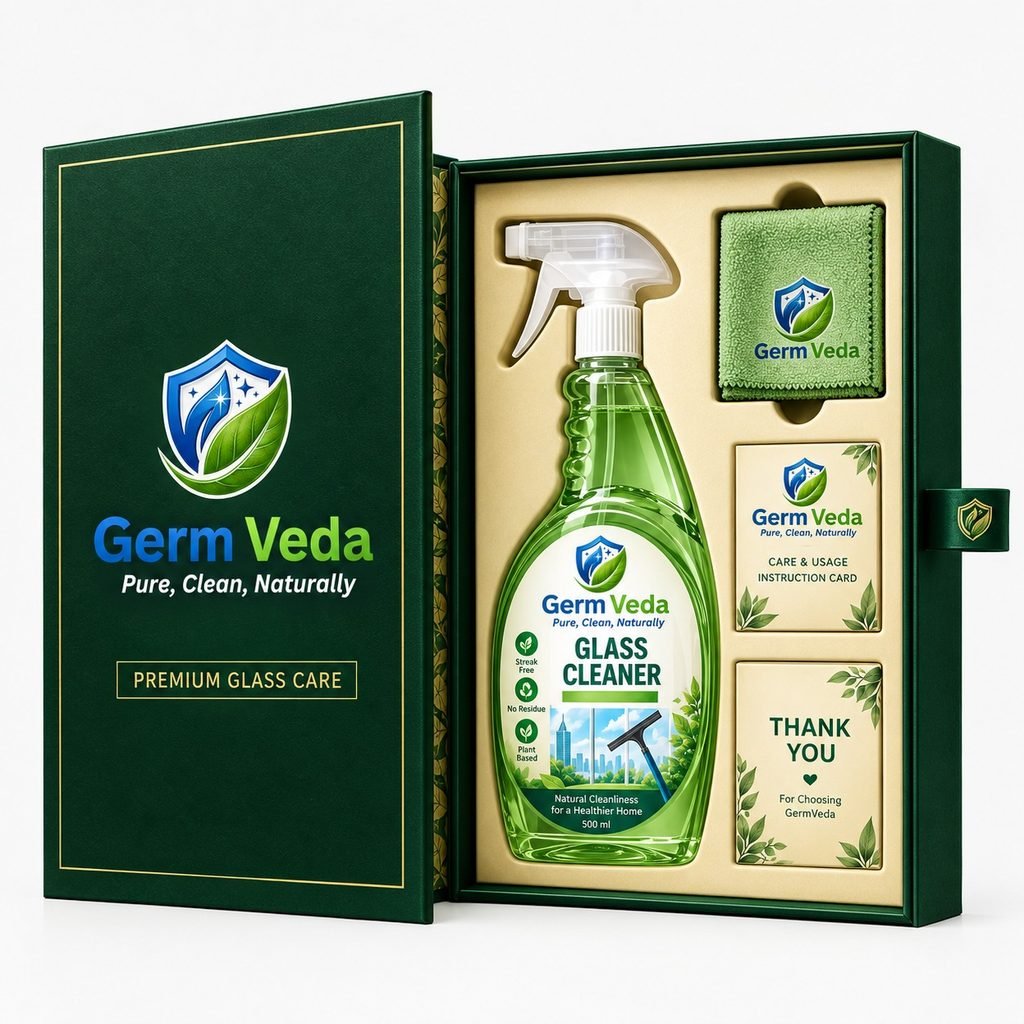
A suitable glass cleaning product and clean microfiber cloth can help maintain these surfaces. For large windows, a squeegee can also be useful.
Avoid using products that are not suitable for coated, tinted, acrylic, or specially treated surfaces.
Furniture and Workstations
Desks, chairs, tables, cabinets, shelves, and other furniture can collect dust and fingerprints.
Cleaning should be appropriate for the material. Wood, laminate, metal, plastic, leather, and fabric may require different cleaning methods.
A common mistake is applying the same chemical to every surface. Surface compatibility should always be checked before using a cleaning product.
Washroom Cleaning
Washrooms require particular attention because they combine frequent use with moisture and multiple types of surfaces.
A complete washroom cleaning routine may include:
- Toilets and urinals
- Washbasins
- Faucets
- Mirrors
- Floors
- Doors and handles
- Partitions
- Dispensers
- Waste bins
- Frequently touched areas
Cleaning products should be selected according to the surface and the type of residue being removed.
For example, soap deposits, mineral deposits, and general dirt may require different cleaning approaches.
360 Clean: Complete Guide to Effective Cleaning Solutions
High-Touch Surfaces
High-touch surfaces are often overlooked because they may not appear dirty.
Examples include:
- Door handles
- Handrails
- Light switches
- Elevator buttons
- Shared equipment
- Countertops
- Cabinet handles
- Reception desks
These surfaces should be incorporated into an appropriate routine based on the level of use and the requirements of the facility.
Cleaning and disinfection are not necessarily the same thing. A surface cleaner removes dirt and residues, while a disinfectant is specifically intended to reduce microorganisms according to its label directions.
360 Clean: Complete Guide to Effective Cleaning Solutions
Choosing the Right Cleaning Products
The effectiveness of a cleaning routine depends partly on choosing suitable products.
A product should be selected according to the surface, type of soil, cleaning frequency, and manufacturer’s instructions.
General Surface Cleaners
General-purpose cleaners can be useful for suitable hard surfaces and everyday dirt.
Glass Cleaners
Glass cleaners are designed to remove fingerprints, smudges, and other residues from compatible glass surfaces while helping achieve a clearer finish.
Floor Cleaners
Floor cleaning products should be compatible with the specific flooring material. A product designed for one floor type may not be appropriate for another.
Bathroom Cleaners
Bathroom products can be formulated to handle soap residue, mineral buildup, and other common washroom contaminants.
Disinfectants
Disinfectants should only be used when appropriate and according to the manufacturer’s instructions. The required contact time, dilution, application method, and surface compatibility can vary between products.
The Importance of Cleaning Tools
Even high-quality cleaning products cannot produce good results if the wrong tools are used.
Useful tools for a comprehensive cleaning program may include:
- Microfiber cloths
- Mops
- Buckets
- Vacuum cleaners
- Brooms
- Dusters
- Squeegees
- Brushes
- Scrubbing equipment
- Spray bottles
- Protective gloves
- Appropriate waste bags
Microfiber cloths are particularly useful for many cleaning tasks because they can effectively collect dust and residues when used correctly.
However, cloths should be cleaned and changed regularly. A dirty cloth can transfer contamination from one surface to another.
360 Clean: Complete Guide to Effective Cleaning Solutions
Color-Coded Cleaning Systems
Commercial cleaning teams may use color-coded cloths, mops, buckets, or other equipment to help prevent cross-use between different areas.
For example, separate equipment can be assigned to washrooms, general areas, kitchens, and other specific locations.
The exact color system can vary between organizations. The important point is that employees understand the system and follow it consistently.
Color coding is not a substitute for proper cleaning, but it can provide a simple visual system for organizing equipment.
Creating a 360 Clean Schedule
A cleaning schedule helps transform cleaning from an occasional activity into a structured maintenance process.
A useful schedule can divide tasks into daily, weekly, monthly, and periodic activities.
Daily Cleaning
Daily tasks may include:
- Removing visible waste
- Cleaning high-traffic floors
- Cleaning frequently touched surfaces
- Cleaning washrooms
- Emptying waste bins
- Cleaning visible spills
- Maintaining reception and common areas
Weekly Cleaning
Weekly tasks may include:
- Cleaning less frequently used areas
- Dusting higher surfaces
- Deep cleaning selected floors
- Cleaning corners and difficult-to-reach areas
- Cleaning interior glass
- Checking furniture and fixtures
Monthly or Periodic Cleaning
Depending on the facility, periodic work may include:
- Deep carpet cleaning
- Floor polishing
- Detailed window cleaning
- High-level dusting
- Upholstery cleaning
- Detailed equipment cleaning
- Maintenance of difficult-to-access areas
The ideal schedule depends on building size, occupancy, traffic, surface types, and operational requirements.
360 Clean for Homes
A complete cleaning approach is not limited to commercial properties. It can also be applied to homes.
Instead of cleaning only the areas that look dirty, homeowners can divide the property into zones.
For example:
Living Room
Focus on:
- Floors
- Sofas
- Tables
- Shelves
- Windows
- Curtains
- Remote controls
- Door handles
Kitchen
Focus on:
- Countertops
- Cabinets
- Appliances
- Sinks
- Floors
- Handles
- Backsplashes
- Frequently touched surfaces
Bedroom
Focus on:
- Floors
- Furniture
- Mirrors
- Windows
- Bedside surfaces
- Door handles
Bathroom
Focus on:
- Toilet
- Sink
- Shower
- Mirrors
- Floor
- Faucets
- Handles
Breaking cleaning into zones makes the process easier to manage and helps prevent overlooked areas.
360 Clean for Offices
Office environments have different cleaning challenges because they contain shared spaces and high-traffic areas.
A comprehensive office cleaning program can include:
- Reception areas
- Workstations
- Meeting rooms
- Pantry areas
- Washrooms
- Corridors
- Staircases
- Elevators
- Glass partitions
- Common equipment
Workstations may require careful cleaning because computers, monitors, keyboards, and other electronics should not be exposed to excessive liquid.
Always follow the manufacturer’s cleaning recommendations for electronic equipment.
360 Clean: Complete Guide to Effective Cleaning Solutions
360 Clean for Commercial Facilities
Retail stores, hotels, restaurants, schools, warehouses, and other commercial environments may require more detailed cleaning plans.
Commercial facilities often experience higher foot traffic and more frequent use of shared surfaces.
Cleaning requirements can also vary according to the nature of the business.
For example, a restaurant requires particular attention to food-contact and food-preparation areas, while a hotel may place greater emphasis on guest rooms, bathrooms, lobbies, and high-touch surfaces.
A cleaning plan should therefore be designed around the actual environment rather than relying on a single routine for every property.
Common Cleaning Mistakes to Avoid
A comprehensive cleaning strategy also means understanding what can go wrong.
Using Too Much Cleaning Product
More chemical does not automatically mean better cleaning. Excess product may leave residue and increase costs.
Using the Same Cloth Everywhere
Using one cloth across multiple areas can transfer dirt and contaminants. Appropriate cloth management is important.
Ignoring High Areas
Dust can accumulate on shelves, ledges, light fixtures, and other elevated surfaces. These areas should be included in periodic cleaning.
Cleaning Around Objects Without Moving Them
Dust and dirt can collect underneath furniture and equipment. Where practical and safe, items should be moved to clean the surrounding area.
Mixing Cleaning Chemicals
Cleaning chemicals should never be mixed unless the manufacturer specifically confirms that they are compatible. Some combinations can create hazardous reactions or fumes.
Using the Wrong Product for a Surface
A cleaner designed for glass may not be suitable for natural stone, wood, painted surfaces, or electronic equipment.
Always read the label.
Safety Practices for 360 Clean
Safety should be part of every professional or household cleaning routine.
Important practices include:
- Read product labels before use.
- Follow dilution instructions.
- Use protective equipment when required.
- Keep chemicals away from children and pets.
- Provide ventilation where recommended.
- Never mix incompatible chemicals.
- Store products in their original labelled containers.
- Do not transfer chemicals into unlabelled bottles.
- Use warning signs around wet floors where appropriate.
- Keep electrical equipment away from excessive moisture.
If a chemical comes into contact with the eyes or skin, follow the product’s first-aid instructions and seek medical attention when necessary.
360 Clean: Complete Guide to Effective Cleaning Solutions
How Technology Can Support Better Cleaning
Modern cleaning operations can use technology to improve organization and accountability.
Digital checklists can help cleaning teams track completed tasks. QR codes or mobile inspection systems can also be used in some commercial environments to document cleaning rounds.
Inventory management systems can help monitor supplies such as:
- Cleaning chemicals
- Microfiber cloths
- Mop heads
- Gloves
- Waste bags
- Paper products
Technology is not essential for every cleaning operation, but it can be particularly useful in large facilities where multiple employees are responsible for different areas.
How to Measure Cleaning Quality
A successful cleaning program should have clear standards.
Visual inspection is one simple method. Supervisors can check whether surfaces are visibly clean, waste has been removed, floors are maintained, and frequently used areas have received appropriate attention.
More structured facilities may use cleaning checklists, inspection forms, or performance standards.
Useful questions include:
- Are floors visibly clean?
- Are glass surfaces free from noticeable fingerprints and streaks?
- Are waste bins emptied?
- Are washrooms properly maintained?
- Are high-touch surfaces included in the routine?
- Are cleaning tools being used appropriately?
- Are chemicals stored safely?
- Are cleaning tasks being completed according to schedule?
Regular inspections can identify problems before they become recurring issues.
Sustainable Cleaning Practices
A complete cleaning strategy can also consider resource efficiency.
Using the correct quantity of cleaning solution helps avoid unnecessary chemical consumption. Reusable microfiber cloths and washable mop heads can reduce reliance on disposable materials when they are properly maintained.
Water use can also be managed carefully. Excessive water does not necessarily improve cleaning and can create additional drying or slip hazards.
Whenever possible, organizations can select products and equipment based on actual cleaning requirements rather than automatically choosing the strongest available chemical.
Sustainability should not come at the expense of cleaning effectiveness or safety. The objective is to achieve the required level of cleanliness while using resources responsibly.
Frequently Asked Questions About 360 Clean
What does 360 Clean mean?
360 Clean generally refers to a comprehensive cleaning approach that considers the entire environment rather than focusing on only one surface or area.
Is 360 Clean suitable for homes?
Yes. The same principle can be applied to homes by dividing rooms into areas and creating a cleaning routine that covers floors, furniture, glass, bathrooms, kitchens, and high-touch surfaces.
Is 360 Clean only about floor cleaning?
No. Floor care is one part of a comprehensive cleaning system. A complete approach can include floors, walls, furniture, glass, washrooms, high-touch surfaces, waste areas, and other parts of a property.
How often should a 360 Clean routine be performed?
There is no universal schedule. Cleaning frequency depends on traffic, building type, surface materials, environmental conditions, and specific hygiene requirements.
Can the same cleaning products be used everywhere?
No. Different surfaces may require different products. Always check the manufacturer’s instructions and surface compatibility before use.
Is cleaning the same as disinfection?
No. Cleaning primarily removes dirt and residues. Disinfection involves using a product specifically intended to reduce microorganisms according to its instructions.
Why is a cleaning schedule important?
A schedule helps ensure important tasks are completed consistently. It can also make it easier to assign responsibilities, monitor performance, and identify missed areas.
Final Thoughts
360 Clean is best understood as a complete and organized approach to maintaining a clean environment. Instead of concentrating only on visible dirt or high-traffic floors, it encourages attention to the entire space, including glass, furniture, washrooms, high-touch surfaces, corners, fixtures, and other areas that may be overlooked.
The most effective cleaning routine is not necessarily the one that uses the most products or takes the longest time. It is the one that uses appropriate products, suitable tools, correct techniques, and a consistent schedule.
Whether you are maintaining a home, office, hotel, school, retail store, restaurant, or commercial facility, a structured approach can make cleaning more efficient and predictable.
Start by identifying the surfaces and areas that require regular attention. Separate daily tasks from weekly and periodic work, train users or cleaning staff on proper product handling, and regularly review the results.
When the entire environment is considered rather than just the most obvious areas, cleaning becomes more than a quick visual improvement. It becomes a practical system for maintaining a space that looks organized, feels well cared for, and remains easier to manage over time.