
Good hygiene is one of the simplest and most effective ways to protect your health, maintain cleanliness, and create a safer environment for yourself and the people around you. From washing your hands and brushing your teeth to keeping your home, workplace, and personal belongings clean, everyday cleanliness habits play an important role in preventing the spread of germs and supporting overall well-being.
Being clean is not only about looking fresh. It involves a combination of personal habits, environmental cleanliness, food safety, and responsible practices that help reduce exposure to harmful microorganisms. Many common illnesses can spread through contaminated hands, surfaces, food, water, respiratory droplets, and poor sanitation.
A clean lifestyle does not require complicated routines or expensive products. In most cases, consistent everyday habits are the foundation of effective personal and household care. Knowing when to wash your hands, how to handle food safely, how to maintain your bathroom and kitchen, and how to keep commonly touched surfaces clean can make everyday living safer and more comfortable.
In this guide, we will explore what hygiene means, why it matters, the most important hygiene practices, common mistakes people make, and practical ways to maintain better cleanliness every day.
What Is Hygiene?
Hygiene refers to the practices and conditions that help maintain cleanliness and protect health. It includes habits that reduce the risk of infections and prevent the buildup or spread of harmful bacteria, viruses, fungi, and other microorganisms.
These practices can be part of personal care, household maintenance, food preparation, workplace routines, or community sanitation. They are not limited to bathing or washing hands. Clean surroundings, safe food handling, proper waste disposal, and responsible respiratory habits are also important parts of maintaining a healthy environment.
This area of health can be divided into several important categories:
- Personal care
- Handwashing
- Oral care
- Food safety
- Home cleanliness
- Workplace cleanliness
- Bathroom care
- Respiratory habits
- Menstrual care
- Environmental sanitation
Each area contributes to a healthier lifestyle. Good hygiene does not require complicated routines. Consistent basic habits can make a significant difference.
Why Is Hygiene Important?
Hygiene is important because microorganisms can easily move from one person, object, or surface to another. We frequently touch our faces, phones, door handles, keyboards, kitchen equipment, and other objects throughout the day.
Our hands can pick up microorganisms from contaminated surfaces. If we touch our eyes, nose, mouth, or food without cleaning our hands, those microorganisms may enter our bodies or spread to other people.
Good cleanliness practices can help:
- Reduce the spread of infectious diseases
- Keep hands and surfaces cleaner
- Prevent unpleasant odors
- Support oral and skin health
- Protect vulnerable family members
- Improve comfort and confidence
- Maintain cleaner living spaces
- Promote healthier daily routines
Clean habits become particularly important in households where people share bathrooms, kitchens, bedrooms, toys, electronic devices, and other frequently used items. Simple precautions can help reduce unnecessary exposure to contamination.
It is also important to understand that cleanliness does not mean eliminating every microorganism. The practical goal is to manage contamination, reduce avoidable risks, and maintain healthy personal and environmental conditions.
Personal Hygiene Practices
Personal care includes the everyday habits you follow to keep your body clean and comfortable.
Important personal care practices include regular bathing, washing your hands, cleaning your teeth, wearing clean clothes, maintaining clean nails, and caring for your hair and skin.
Regular Bathing
Bathing helps remove sweat, excess oils, dirt, dead skin cells, and microorganisms from the body. How frequently someone needs to bathe can depend on their activity level, climate, occupation, skin type, and personal needs.
People who exercise frequently, work outdoors, or live in hot and humid environments may need to wash more often.
Use a gentle cleanser where needed and rinse thoroughly. Pay particular attention to areas where sweat and moisture commonly accumulate.
Keeping the skin clean and dry can also improve everyday comfort. However, excessive washing or the unnecessary use of harsh products may irritate the skin, so personal routines should be appropriate for individual needs.
Clean Clothes
Clothing can collect sweat, skin oils, dirt, and microorganisms. Changing clothes regularly can help maintain freshness and cleanliness.
Underwear, socks, workout clothes, and clothing worn during heavy sweating generally require frequent washing.
Allow damp clothing to dry rather than leaving it in a closed pile for extended periods. Proper washing and drying can help prevent unpleasant smells and reduce the accumulation of dirt and moisture.
Clean Nails
Nails can collect dirt and microorganisms, especially underneath the nail edges. Keep fingernails trimmed and clean them regularly.
Avoid biting your nails because this can transfer microorganisms from your hands to your mouth.
Children may need reminders and assistance with nail care because dirt can easily collect underneath longer nails during outdoor play and everyday activities.
Hand Hygiene: One of the Most Important Daily Habits
Handwashing is one of the most practical ways to reduce the spread of germs.
We touch countless objects every day, including phones, keyboards, handles, money, shopping carts, switches, and shared equipment. Washing your hands at appropriate times helps remove dirt and microorganisms.
When Should You Wash Your Hands?
Important times include:
- Before preparing or eating food
- After using the toilet
- After changing a baby’s diaper
- After coughing, sneezing, or blowing your nose
- After touching garbage
- After handling raw meat or other raw foods
- After caring for someone who is sick
- After returning home from public places
- After touching visibly dirty surfaces
- Before caring for wounds or taking certain medications
How to Wash Your Hands Properly
Wet your hands with clean running water and apply soap. Rub your hands together thoroughly, including:
- Palms
- Backs of the hands
- Between fingers
- Thumbs
- Fingertips
- Around and underneath nails
Continue scrubbing for about 20 seconds, then rinse well under running water and dry your hands using a clean towel or air dryer.
When soap and water are unavailable, an alcohol-based hand sanitizer can be useful when used correctly. However, visibly dirty or greasy hands should generally be washed with soap and water.
Handwashing is particularly important before preparing meals because hands can transfer contamination directly to food. It is also important after using shared public facilities and after contact with potentially contaminated materials Hygiene.
Oral Hygiene
Oral care is another essential part of overall health and personal care.
Poor oral care can allow plaque to build up around the teeth and gums. Over time, this may contribute to tooth decay, gum problems, bad breath, and other oral health concerns.
A good oral care routine should include:
- Brushing teeth twice a day
- Using fluoride toothpaste where appropriate
- Cleaning between teeth regularly
- Replacing toothbrushes when they become worn
- Limiting frequent sugary snacks and drinks
- Visiting a dental professional regularly
Brushing should be thorough rather than rushed. Clean the front, back, and chewing surfaces of your teeth and gently brush along the gumline.
Do not share toothbrushes because they can transfer saliva and microorganisms between people.
Regular dental checkups can also help identify problems before they become more serious. If you experience persistent tooth pain, bleeding gums, swelling, or other unusual symptoms, professional dental advice is appropriate.
Food Hygiene and Safe Food Practices
Food safety helps prevent contamination and foodborne illness.
Unsafe food handling can occur during preparation, cooking, storage, or serving. Raw foods can carry microorganisms that may contaminate ready-to-eat foods if proper precautions are not followed.
Basic Food Safety Rules
Wash your hands before handling food.
Keep raw meat, poultry, seafood, and eggs separate from foods that are ready to eat.
Use clean cutting boards and utensils. If possible, use separate boards for raw meat and vegetables or wash them thoroughly between uses.
Cook food thoroughly and store leftovers promptly.
Refrigerate perishable food appropriately and avoid consuming food that has been stored improperly or shows signs of spoilage.
Wash fruits and vegetables under clean running water before eating or preparing them, unless the product instructions say otherwise.
Food should also be protected from insects, dust, and unnecessary exposure during preparation and storage. Keep food containers covered and use clean utensils when serving.
Kitchen Hygiene
The kitchen Hygiene is one of the most important areas of the home when it comes to cleanliness.
Food particles and moisture can create conditions where microorganisms grow. Regular cleaning can help maintain a safer food preparation environment.
Clean frequently touched kitchen surfaces such as:
- Countertops
- Cabinet handles
- Refrigerator handles
- Taps
- Appliance controls
- Cutting boards
- Sink areas
Sponges and cloths can become contaminated when they remain damp for long periods. Clean, replace, or sanitize them appropriately according to their material and intended use.
Do not use the same cloth for cleaning raw-food preparation areas and other household surfaces without washing it properly first.
Kitchen waste should also be removed regularly. Keep bins covered when appropriate and clean the area around them if food spills occur.
Bathroom Hygiene
Bathrooms require regular cleaning because they combine moisture, frequent use, and multiple opportunities for contamination.
Clean toilets, sinks, taps, floors, shower areas, and frequently touched surfaces regularly.
Flush the toilet appropriately and wash your hands afterward.
Keep bathroom surfaces dry when possible. Good ventilation can help reduce excessive moisture and humidity.
Do not share personal items such as toothbrushes, razors, or towels.
Wash towels regularly and allow them to dry completely between uses.
Bathroom cleaning products should always be used according to their instructions. Never mix different cleaning chemicals because certain combinations can produce dangerous fumes or chemical reactions.
Home Hygiene
A clean home does not need to be completely germ-free. In fact, attempting to disinfect every surface constantly is usually unnecessary.
Instead, focus on areas that are frequently touched, visibly dirty, or likely to become contaminated.
Common high-touch surfaces include:
- Door handles
- Light switches
- Remote controls
- Phones
- Computer keyboards
- Tables
- Countertops
- Faucet handles
- Appliance handles
Regular cleaning removes dirt and many microorganisms from surfaces. Disinfection may be appropriate in certain situations, particularly when someone in the household is sick or when a surface has been contaminated.
Always follow the instructions on a cleaning or disinfecting product. Never mix cleaning chemicals unless the manufacturer specifically states that doing so is safe.
A practical cleaning schedule can make household maintenance easier. Instead of trying to clean everything at once, divide tasks across the week and give greater attention to areas that are used most frequently.
Hygiene for Children
Children are still developing their daily cleanliness habits, so parents and caregivers can help them establish simple routines.
Teach children to wash their hands before eating and after using the bathroom. Encourage them to cover coughs and sneezes appropriately and avoid touching their face with unwashed hands.
Children should also learn not to share toothbrushes, cups, or other personal items.
Make cleanliness routines easy to understand. Instead of giving children complicated instructions, teach them one habit at a time.
For example:
Bathroom → Wash hands → Dry hands → Continue with the day
Simple routines are easier for children to remember and follow consistently.
Parents can also make handwashing more engaging by showing children the correct technique and explaining why it matters. Consistent supervision during early childhood can help these practices become natural habits later in life.
Respiratory Hygiene
Respiratory hygiene helps reduce the spread of respiratory illnesses.
When coughing or sneezing, cover your mouth and nose with a tissue or your elbow rather than your bare hands.
Dispose of used tissues appropriately and clean your hands afterward.
If you are experiencing symptoms of a contagious respiratory illness, staying away from close contact with vulnerable people when possible can help reduce transmission.
Improving ventilation in indoor spaces can also support better indoor air quality.
These habits are especially useful in crowded environments such as classrooms, offices, public transport, and other shared indoor spaces.
Menstrual Hygiene
Menstrual care is an important part of personal health and comfort.
Menstrual products should be changed according to the product’s instructions and individual needs. Wash your hands before and after changing menstrual products.
Reusable menstrual products should be cleaned and stored according to the manufacturer’s instructions.
Underwear should be changed regularly, particularly when it becomes damp or soiled.
Menstrual care is not simply about cleanliness. Having access to safe products, clean water, sanitation facilities, privacy, and accurate information is also important.
People experiencing unusual pain, persistent irritation, abnormal bleeding, or other concerning symptoms should consider speaking with a qualified healthcare professional.
Workplace and School Hygiene
Schools and workplaces involve frequent interaction with other people and shared surfaces.
Good cleanliness practices can help create a healthier environment.
Useful habits include:
- Washing hands regularly
- Keeping personal workspaces reasonably clean
- Avoiding sharing personal items
- Covering coughs and sneezes
- Staying home when seriously ill when possible
- Cleaning shared equipment appropriately
- Disposing of waste correctly
Employees and students should also know where handwashing facilities and sanitation areas are located.
Shared equipment such as keyboards, desks, tools, and frequently touched handles may require routine cleaning based on how often they are used and the environment in which they are located.
Hygiene While Traveling
Travel can increase exposure to unfamiliar environments, crowded areas, shared facilities, and different food and water conditions.
Carry basic cleanliness supplies such as:
- Hand sanitizer
- Tissues
- Soap when appropriate
- Personal toiletries
- Toothbrush and toothpaste
- Necessary personal care products
Wash your hands before eating and after using public facilities.
Be cautious with food and drinking water when traveling to places where water safety may be uncertain.
Keep personal items such as toothbrushes and towels separate from those belonging to other travelers.
Travelers should also pay attention to storage conditions for food and personal products. Keeping toiletries organized and dry can make personal care easier while away from home.
Cleaning vs. Disinfecting: What’s the Difference?
Cleaning and disinfecting are not exactly the same.
Cleaning removes dirt, dust, food particles, and many microorganisms from a surface.
Disinfecting uses a product designed to kill or inactivate certain microorganisms on a surface.
Cleaning is often sufficient for routine household maintenance. Disinfection can be useful when there is a higher risk of contamination, such as after certain spills or when someone in the household has an infectious illness.
Always read and follow the product label. Different disinfectants have different contact times, application methods, and safety requirements.
Never assume that using more product will make cleaning more effective. Follow the manufacturer’s recommended amount.
Make sure rooms are appropriately ventilated when using cleaning products, and keep chemicals away from children and pets.
Common Hygiene Mistakes to Avoid
Even people with good cleanliness habits can make mistakes.
Washing Hands Too Quickly
A quick rinse without soap and thorough rubbing may not effectively remove contamination.
Forgetting the Thumbs and Fingertips
People often clean their palms but overlook thumbs, fingertips, and areas around the nails.
Using Dirty Cleaning Cloths
A cloth that is not washed regularly can spread contamination instead of removing it.
Sharing Personal Items
Items that come into contact with saliva, skin, or bodily fluids should generally not be shared.
Mixing Cleaning Chemicals
Combining cleaning products can create dangerous chemical reactions. Use products exactly as directed.
Ignoring Frequently Touched Surfaces
A room may look clean while high-touch areas remain dirty. Include handles, switches, phones, and frequently used controls in routine cleaning.
Overcleaning Everything
Cleanliness does not mean trying to sterilize your entire home every day. Focus on practical risk reduction and consistent maintenance.
How to Build a Simple Daily Hygiene Routine
A practical daily routine does not need to take hours.
Morning Routine
Start your day by brushing your teeth, washing your face or bathing as appropriate, putting on clean clothes, and washing your hands before eating.
During the Day
Wash your hands at important moments, especially before meals and after using the bathroom.
Keep frequently used personal items reasonably clean.
Pay attention to situations where your hands may become visibly dirty or come into contact with potentially contaminated surfaces.
Evening Routine
Brush your teeth again, wash or shower as needed, change into clean sleepwear, and keep commonly used areas tidy.
Weekly Routine
Wash towels, bedding, and frequently used household fabrics according to their care instructions.
Clean bathrooms, kitchen surfaces, floors, and other areas that require deeper cleaning.
The key is consistency. Small habits performed every day are usually more useful than occasional intensive cleaning.
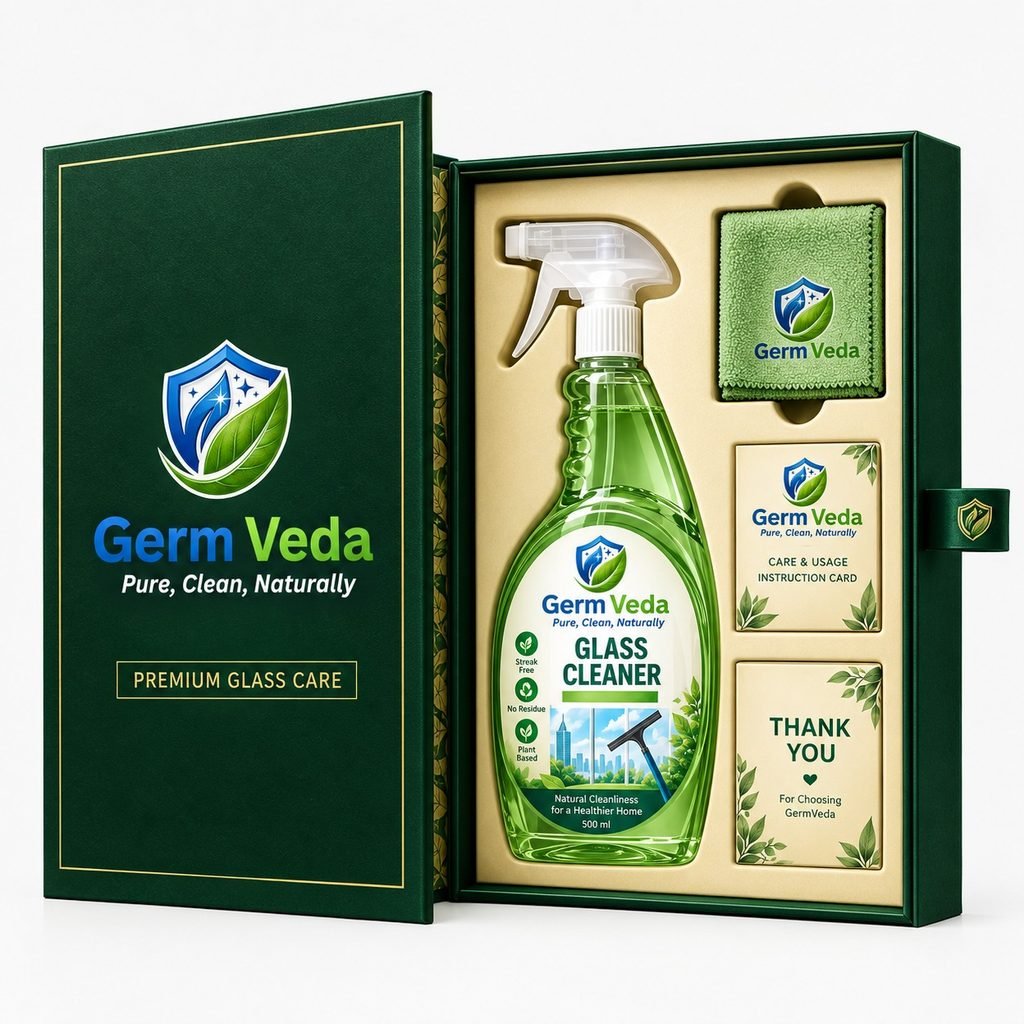
Choosing Personal and Household Cleaning Products
The right products depend on the specific task.
For hand cleaning, choose products designed for handwashing or hand sanitization.
For household cleaning, select a product suitable for the surface and type of dirt or contamination.
For personal care, consider products that suit your individual needs and follow their usage instructions.
Avoid using household cleaning chemicals directly on the skin unless the product is specifically designed for that purpose.
Keep cleaning products away from children and pets, and store them in their original containers whenever possible.
Reading product labels before use is an important part of safe cleaning. Pay attention to directions, recommended quantities, contact times, storage instructions, and warnings.
Hygiene and a Healthy Lifestyle
Hygiene is only one part of maintaining overall health.
It works best alongside other healthy habits, including:
- Eating a balanced diet
- Drinking safe water
- Getting adequate sleep
- Staying physically active
- Managing stress
- Keeping vaccinations up to date according to professional advice
- Seeking medical or dental care when needed
Good hygiene cannot prevent every illness, but it can reduce many avoidable sources of contamination and infection.
A healthy lifestyle is built through several interconnected habits. Clean surroundings, nutritious food, physical activity, adequate rest, and appropriate healthcare all contribute to overall well-being.
Frequently Asked Questions About Hygiene
What Is the Most Important Hygiene Habit?
Regular handwashing at appropriate times is one of the most important everyday habits because hands can transfer microorganisms to the mouth, nose, eyes, food, and other people.
How Often Should I Wash My Hands?
Wash your hands whenever they are visibly dirty and at important times such as before eating or preparing food, after using the toilet, after coughing or sneezing, and after handling potentially contaminated materials.
Is Hand Sanitizer as Effective as Soap and Water?
Hand sanitizer can be useful when soap and water are unavailable, particularly when the hands are not visibly dirty. Soap and water are preferable when hands are visibly dirty or greasy.
Does a Clean Home Need to Be Completely Germ-Free?
No. A healthy home does not need to be sterile. Regular cleaning and appropriate disinfection when necessary are generally more practical than attempting to eliminate every microorganism.
Why Is Hygiene Important for Children?
Children frequently touch surfaces and their faces, making good cleanliness habits especially important. Teaching children handwashing, respiratory etiquette, oral care, and personal cleanliness can help establish healthy habits early.
Final Thoughts
Clean living is built from simple actions repeated consistently. Washing your hands, caring for your teeth, keeping food preparation areas clean, maintaining bathrooms, washing clothes and towels, and cleaning frequently touched surfaces can all contribute to a healthier everyday environment.
The goal is not perfection or creating a completely germ-free world. It is about reducing unnecessary exposure to harmful microorganisms and maintaining clean, healthy, and comfortable surroundings.
Whether you are at home, at work, at school, or traveling, practical cleanliness habits can protect you Hygiene and the people around you. Start with the basics, make them part of your daily routine, and gradually build better habits over time.
Good hygiene is a small daily investment that can make a meaningful difference to personal well-being and community health with Hygiene .